
 Save to Pinterest
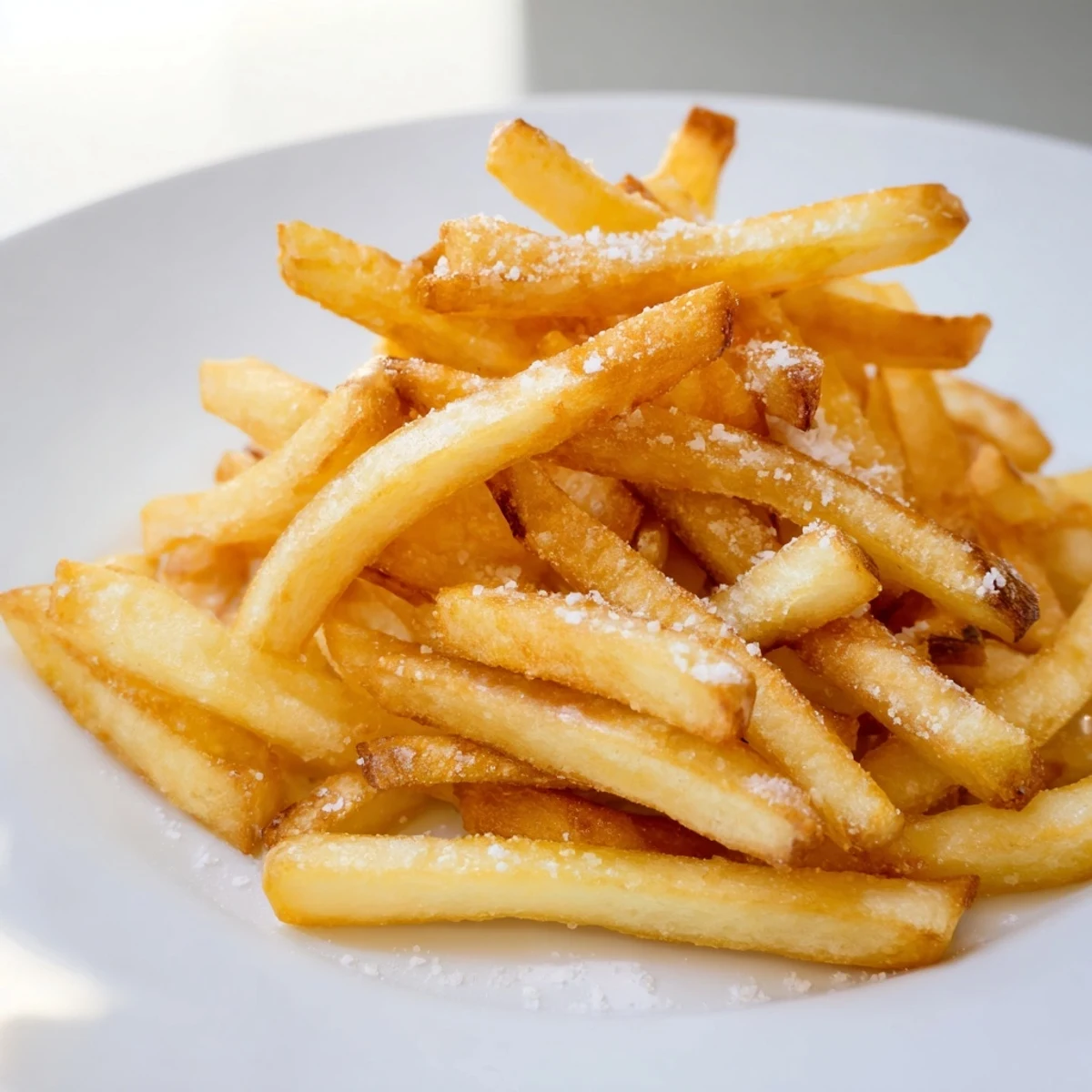
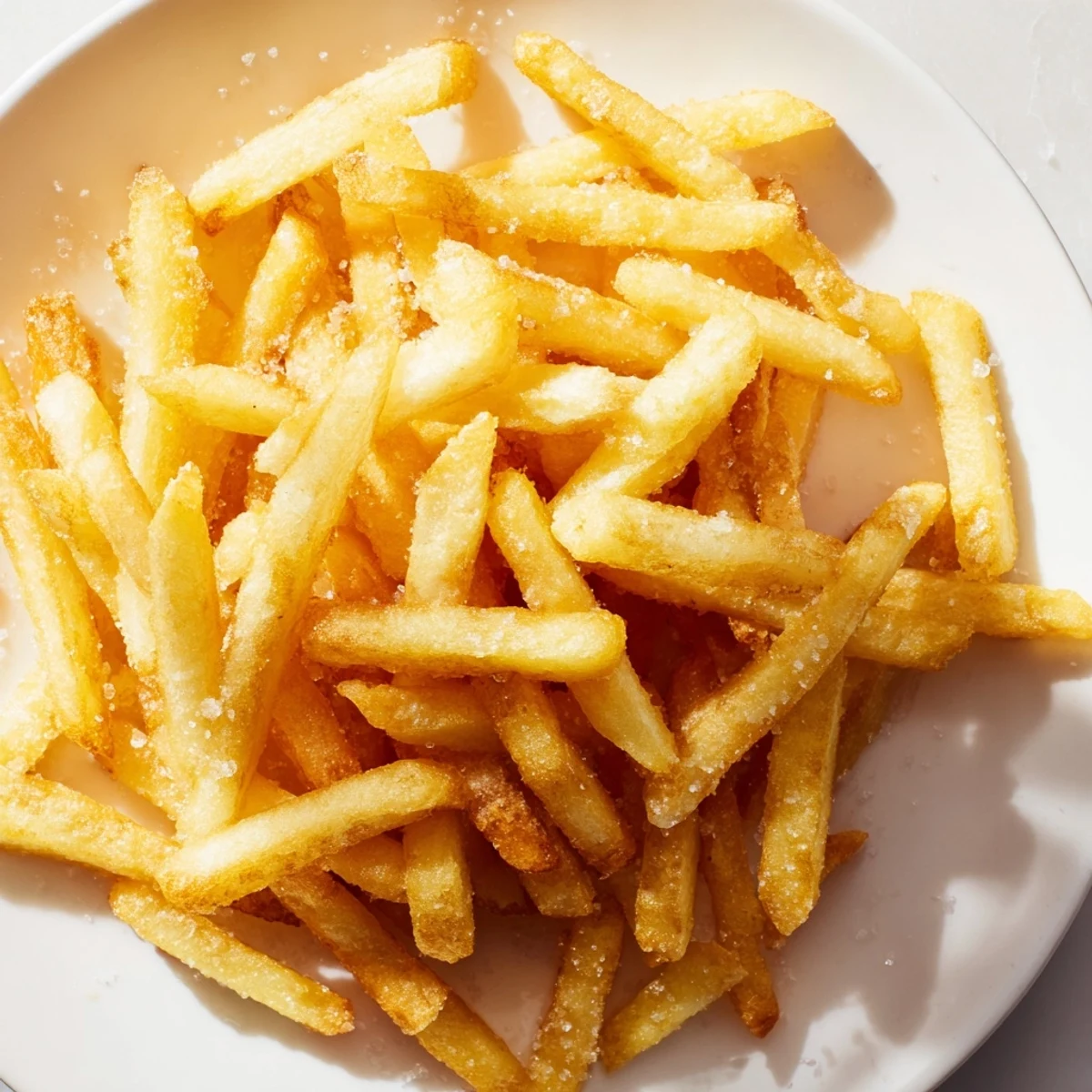
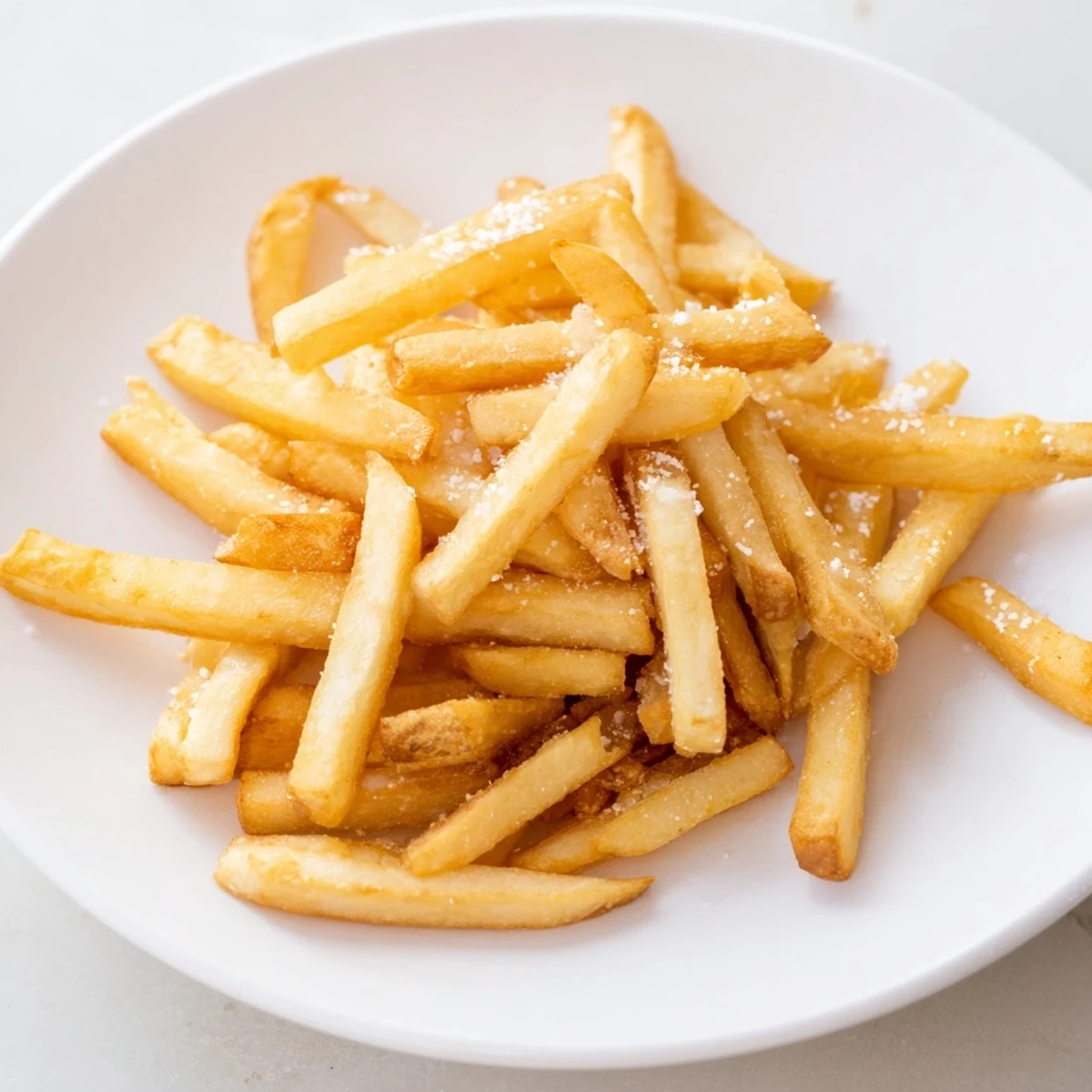
 These golden fries are cut into sticks, soaked to remove starch, then fried twice for the perfect crispiness. The first fry softens them while the second adds a golden, crunchy finish. Seasoned simply with sea salt, they deliver a fluffy interior and crisp exterior that pairs wonderfully with many dishes. Using vegetable oil, they’re easy to prepare and versatile for snacks or sides.
There's something about the first time you nail homemade French fries that sticks with you—that moment when you pull the basket from the oil and they're golden, crackling, somehow more alive than anything frozen. I learned the secret wasn't speed or fancy equipment, just patience and a willingness to fry twice. Now I can't imagine going back to the supermarket version.
I made these for a small dinner party on a cold autumn evening, and watching people's faces when they took that first bite told me everything. One guest literally stopped mid-sentence and went back for another handful. That's the power of a properly made French fry—it stops conversation, demands attention, becomes the reason people remember the meal.
Ingredients
- Russet potatoes, 1.5 lbs (700 g): These are the fry person's choice—starchy enough to get fluffy inside, sturdy enough not to fall apart in hot oil. Peeling is optional, but I've gone both ways and honestly, skin-on adds a rustic charm if your potatoes are clean.
- Vegetable oil, 1 quart (1 liter): Canola, sunflower, or peanut oil all work beautifully; pick whichever has a high smoke point and sits neutral in your pantry. The oil gets reused if you strain it well, so don't feel wasteful—this one batch can fry multiple times.
- Fine sea salt, 1 tsp: Timing matters here; salt goes on while they're still steaming, so it clings. Taste as you go because the perfect salty point is personal.
Instructions
- Cut and soak the potatoes:
- Slice them into 1/4-inch sticks—a mandoline makes this meditative if you have one, but a sharp knife works just fine. Drop them into a bowl of cold water and let them sit for at least 30 minutes; this is where the starch leaves, and the fries become what they're meant to be. When you drain them, pat them bone-dry with paper towels—any remaining water will fight the oil and make them steam instead of crisp.
- Heat oil for the first fry:
- Pour your oil into a deep fryer or heavy pot and bring it slowly to 325°F. This first temperature is gentle, almost nursery-like; you're not cooking the fries here, you're getting them ready. Use a thermometer—don't guess, because guessing is where everything goes sideways.
- First fry, the quiet one:
- Work in batches so the oil temperature doesn't plummet when the cold potatoes hit. Fry for 4–5 minutes until they're pale, soft, and tender but not colored. You're listening for a gentle sizzle, not an angry roar. Pull them out with a slotted spoon and let them rest on paper towels; this is their intermission.
- Raise the heat for the finale:
- Crank the oil up to 375°F and give it a minute to settle. This is where the magic happens, where they'll transform from pale to golden. You'll smell it coming—a deeper, richer scent that means the Maillard reaction is doing its work.
- Second fry, the finish:
- Back into the hot oil they go, this time for just 2–3 minutes until they're deep golden brown and making a gentle crackling sound. When they look perfect to your eye, they probably are; pull them out and drain on fresh paper towels to keep them crisp.
- Salt and serve:
- The window is small—while they're still steaming and slightly wet from the oil, hit them with salt. Serve them immediately, preferably with your hands and zero apologies.
 Save to Pinterest
 I remember my grandmother mentioning once, almost offhandedly, that French fries were proof that simple things done well beat complicated things done mediocrely. She wasn't wrong. There's an honesty to a proper fry that fancy food sometimes forgets.
The Oil Question
Choosing your oil is more important than most people think—it carries flavor, affects crispness, and determines how many times you can reuse it. Peanut oil has the highest smoke point and the most neutral taste, which is why restaurants love it. If anyone at your table has a peanut allergy, switch to canola or sunflower without hesitation. Once you've fried a batch, strain the cooled oil through cheesecloth or a fine sieve to remove bits, then store it in a cool place; it'll be ready for round two.
Timing and Temperature
The two different temperatures aren't arbitrary—they're designed for two different jobs. The first, gentler fry cooks the potato through and sets the inside's structure, while the second creates that shatteringly crisp exterior. Rushing this or skipping the cooler first step is the difference between fries you eat and fries you're quietly disappointed by. Some people get nervous about hot oil, and honestly, that nervousness is respect; it keeps you careful and focused.
Variations and Flavor
Once you've mastered the basic technique, the door opens to all sorts of experiments. I've sprinkled smoked paprika, fresh cracked pepper, dried thyme, even a whisper of garlic powder. Sweet potatoes take to the same method beautifully, though they crisp slightly differently and have their own glamour. The real secret is respecting the base technique first, then playing only after you know what you're working with.
- Toss hot fries with fresh herbs or a dusting of parmesan for an instant upgrade.
- Double-check that peanut oil won't cause problems for anyone eating these fries.
- Make these when you have time to pay attention; they're not a rushed-weeknight thing, and they deserve your focus.
 Save to Pinterest
 There's a reason French fries have survived for centuries—they're almost impossible to improve upon, but infinitely easy to enjoy. Make them when you want to feel like you've done something genuinely good in the kitchen.
Frequently asked questions about this recipe
- → Why soak the potatoes before frying?
-
Soaking removes excess starch from the potatoes, helping to achieve a crispier texture after frying.
- → What is the purpose of double frying?
-
The first fry cooks the potatoes gently, making them tender inside, while the second fry crisps the exterior to a golden finish.
- → Which oils work best for frying?
-
Vegetable oils with high smoke points, such as canola, sunflower, or peanut oil, ensure even cooking and crispy results.
- → Can I leave the potato skins on?
-
Yes, leaving skins on adds texture and nutrients but peeling creates a smoother exterior.
- → How do I keep fries crispy after cooking?
-
Drain fries well on paper towels and serve immediately to maintain their crispiness and prevent sogginess.