
 Save to Pinterest
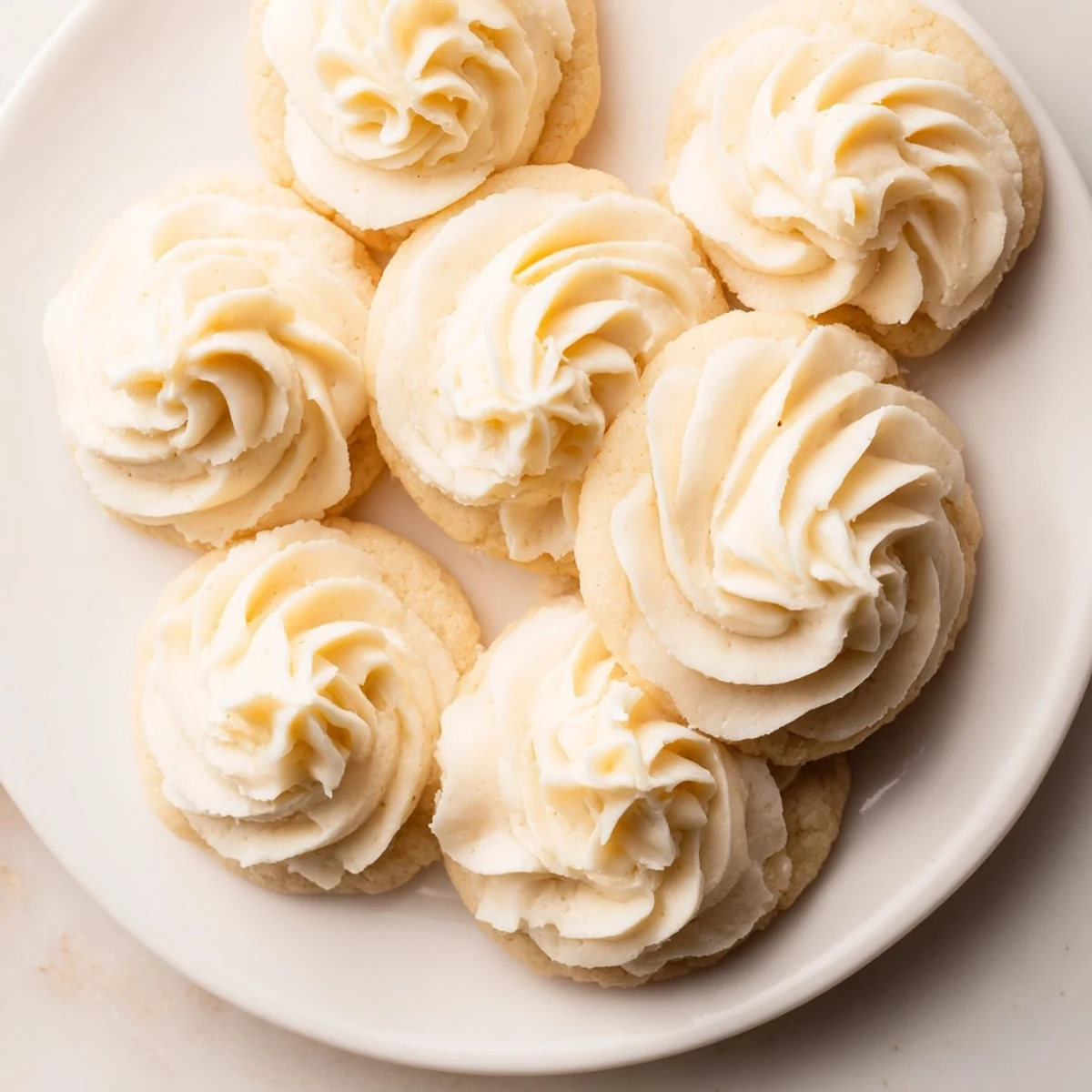
 This vanilla buttercream frosting comes together in just 10 minutes, creating a smooth and creamy topping perfect for sugar cookies. The frosting spreads beautifully and develops a slight crust as it sets, making it ideal for detailed decorating work.
Adjust the consistency easily with more milk for thinner frosting or additional powdered sugar for a firmer texture that holds intricate designs. The classic vanilla flavor complements any cookie flavor, and you can add gel food coloring to create vibrant decorations.
Store any leftovers in an airtight container for up to a week—simply bring to room temperature and re-whip before using. This versatile topping also works wonderfully on cupcakes, cakes, and brownies.
The first time I made frosting for sugar cookies, I overmixed it into a stiff, sugary paste that cracked when I tried to spread it. My grandmother watched me struggle, then took the bowl and showed me how the butter should look first soft and creamy, almost like mayonnaise, before any sugar touches it. That small observation changed everything about my frosting game, and now this recipe is the one I turn to every holiday season.
Last December, my daughter wanted to help decorate cookies for her class party. We made this frosting together, and I watched her face light up as she beat the butter and sugar into clouds of white fluff. She insisted on adding way too much food coloring, turning the frosting an alarming shade of electric blue, but you know what? Those blue frosted cookies were the first ones gone at the party.
Ingredients
- Unsalted butter: Using room temperature butter is non negotiable here. I learned the hard way that slightly cold butter creates tiny lumps you can never quite beat out, no matter how long you mix.
- Powdered sugar: Sifting might feel like an extra step, but it takes twenty seconds and saves you from those stubborn little sugar clumps that clog your piping tips later.
- Whole milk: Start with two tablespoons, but keep a small measuring cup nearby. Some days you need an extra splash, depending on humidity and how your butter is behaving.
- Pure vanilla extract: Do not use imitation vanilla here. The frosting is simple enough that the quality of your vanilla really comes through.
- Pinch of salt: This tiny amount cuts through the sweetness and makes the vanilla sing. Trust me on this one.
Instructions
- Beat the butter:
- Cream your softened butter for a full minute until it is pale and smooth. Do not rush this step. It is the foundation of everything.
- Add the sugar:
- Pour in the sifted powdered sugar gradually on low speed to prevent a sugar snowstorm all over your kitchen. Scrape down the bowl and give it another mix.
- Make it fluffy:
- Add the milk, vanilla, and salt. Turn the mixer to medium high and let it run for two to three minutes. Watch the frosting transform from stiff to silky.
- Adjust the texture:
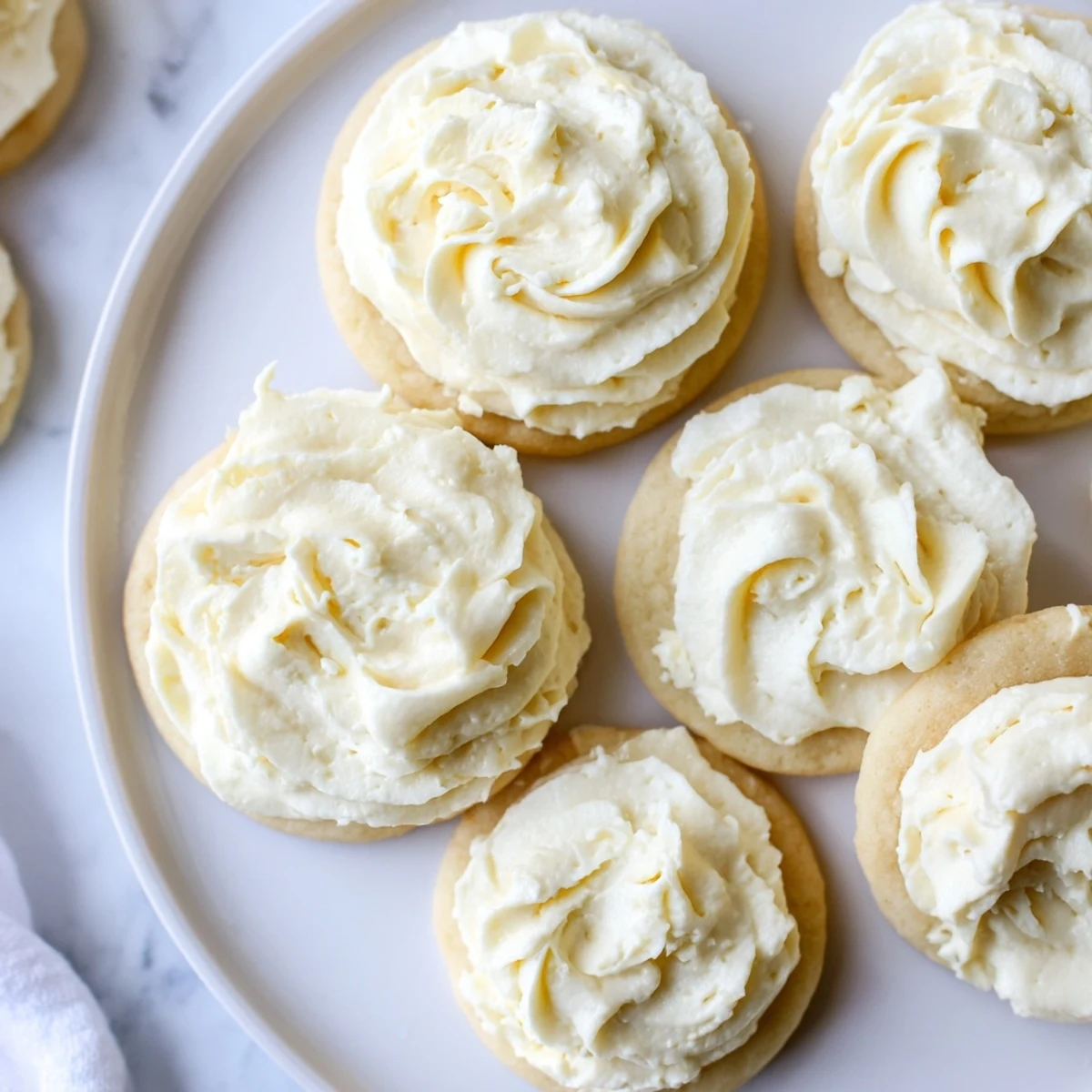
- If you are piping, keep it thicker. For spreading, add milk one teaspoon at a time until it is the consistency of sour cream.
- Frost your cookies:
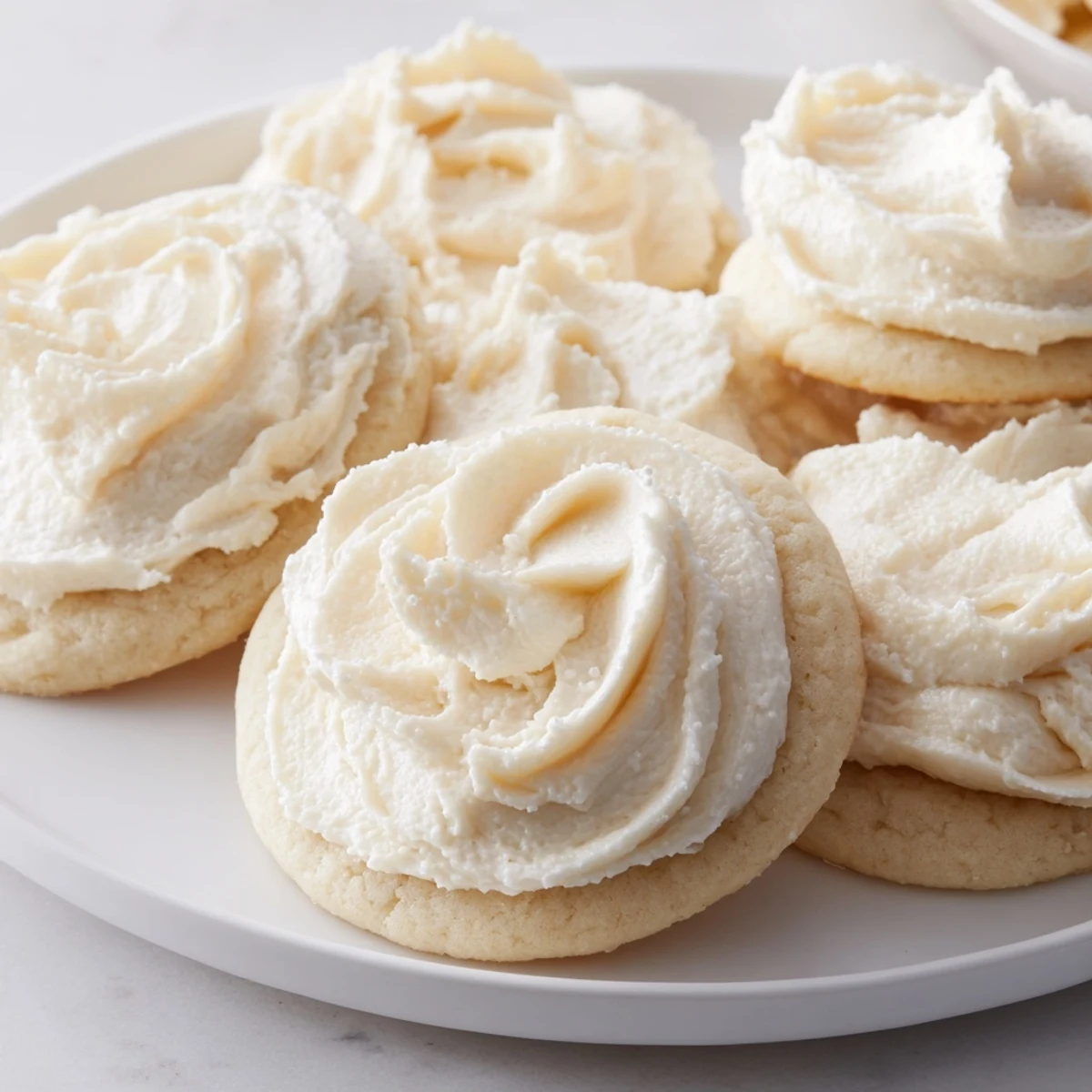
- Make sure those cookies are completely cool, otherwise your frosting will melt right off. Let the frosted cookies sit for an hour or two to develop that perfect slight crust.
 Save to Pinterest
 There is something meditative about frosting cookies. Standing at the counter with a bowl of fluffy white frosting, spreading it over waiting sugar cookies while rain taps against the kitchen window. It became my Sunday afternoon ritual one winter, and I found myself looking forward to that peaceful hour more than the eating part.
Getting The Consistency Right
Through dozens of batches, I have learned that frosting consistency is as much art as science. The temperature of your kitchen, the brand of butter, even the humidity can affect how your frosting turns out. I keep a small bowl of extra powdered sugar and a cup of milk nearby whenever I am frosting, making tiny adjustments until it feels right. You want it to hold its shape when you scoop it, but still spread smoothly without tearing the cookie surface.
Making Colored Frosting
Gel food coloring is my secret weapon for vibrant frosting that does not become watery. Start with a tiny amount on a toothpick. You can always add more, but you cannot take it back. I divide the base frosting into small bowls if I want multiple colors, and I have learned that deep colors like red and black benefit from sitting for ten minutes to deepen before you start decorating.
Storage And Make Ahead Tips
This frosting keeps beautifully in the refrigerator for up to a week, which means you can make it days before your baking marathon. When you are ready to use it, let it come to room temperature and give it a quick whip with your mixer. It will be stiff at first but will smooth out again. Frosted cookies can be stored in single layers between wax paper, though the frosting does lose that perfect crust texture after the first day.
- Never frost warm cookies or you will end up with a melty mess
- If your frosting separates, keep beating. It almost always comes back together.
- Room temperature frosting is always easier to work with than cold frosting.
 Save to Pinterest
 Simple frosting, simple cookies, simple joy. Sometimes the most uncomplicated recipes are the ones that stick with us longest, becoming part of our own kitchen traditions without us even noticing.
Frequently asked questions about this recipe
- → How long does it take for the frosting to set?
-
Allow the frosted cookies to sit at room temperature for 1–2 hours. The frosting will develop a slight crust that's perfect for stacking or storing without smudging your decorations.
- → Can I make this frosting ahead of time?
-
Yes, store unused frosting in an airtight container in the refrigerator for up to 1 week. When ready to use, bring it to room temperature and re-whip with your mixer to restore the fluffy texture.
- → How do I achieve the right consistency for piping?
-
For piping detailed designs, use the frosting as stated or add slightly more powdered sugar, 1 tablespoon at a time, until it holds firm peaks. If it's too stiff, add milk 1 teaspoon at a time until smooth and pipeable.
- → What's the best way to color this frosting?
-
Use gel food coloring rather than liquid for the most vibrant colors without thinning the consistency. Add a few drops after mixing in the vanilla and beat until evenly blended. Start with a small amount—you can always add more.
- → Can I use salted butter instead of unsalted?
-
You can substitute salted butter, but omit the pinch of salt called for in the ingredients. Keep in mind that salted butter may slightly alter the flavor profile, so you might prefer the balance of unsalted butter with the controlled amount of salt.
- → How many cookies does this batch frost?
-
This amount frosts about 24 standard-sized sugar cookies. For larger cookies or thicker layers, you may need to adjust the quantities accordingly. The yield is approximately 2 cups of frosting.