
 Save to Pinterest
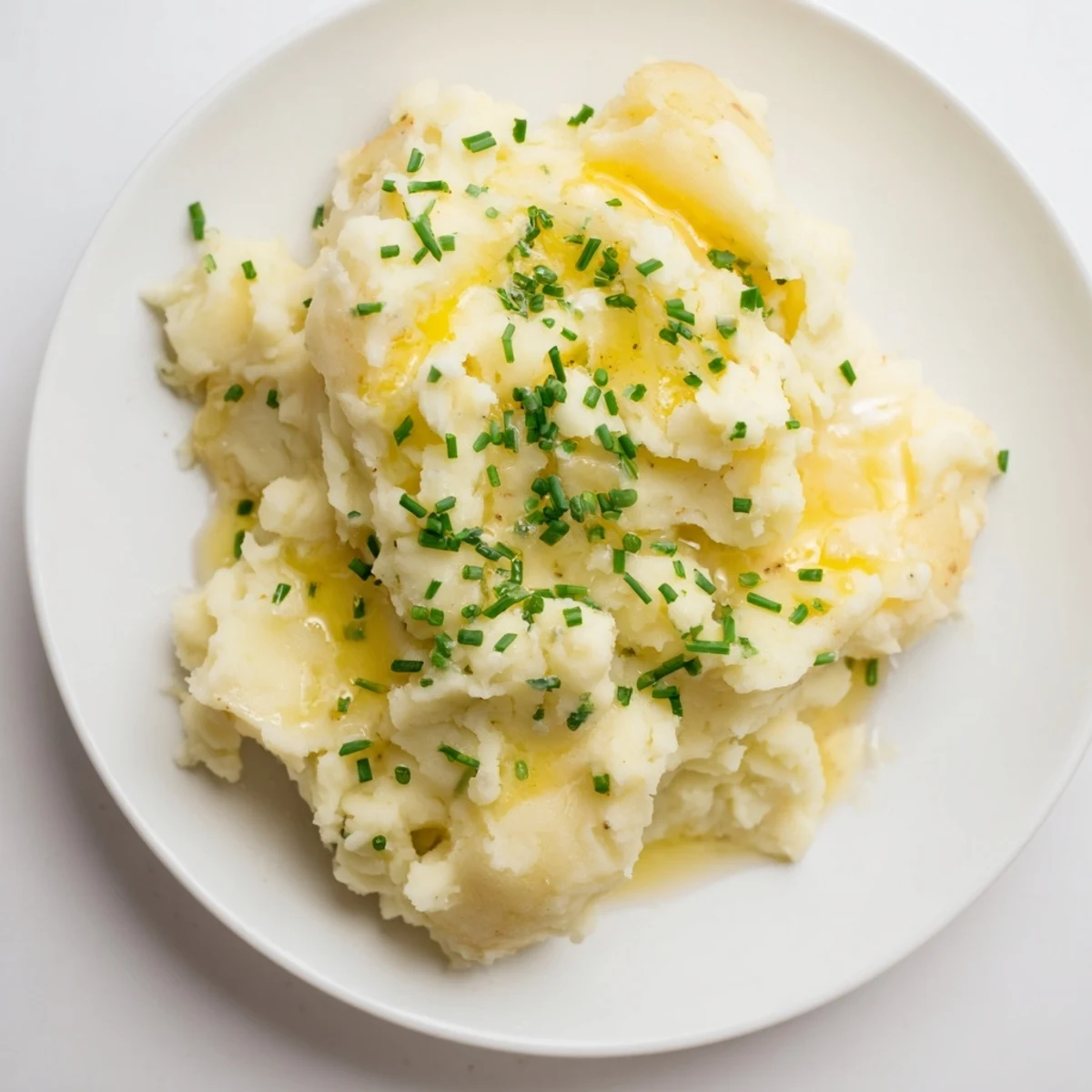
 This dish combines tender, fluffy mashed potatoes with the rich flavor of roasted garlic and warm cream. Potatoes are boiled until fork-tender, then mashed and blended with melted butter and cream for a silky texture. A touch of salt and pepper enhances the comforting flavors, while fresh herbs can add brightness. Perfect as a flavorful side to complement a variety of mains.
There's something about garlic mashed potatoes that takes me back to my grandmother's kitchen on Sunday afternoons. I remember watching her peel potatoes with such care, her hands moving with the kind of confidence that only comes from making something a hundred times. She'd always say that the secret wasn't in fancy ingredients but in patience and good cream. Now whenever I make these, I'm transported back to that warm kitchen, the smell of roasting garlic filling the air, and the promise of a meal that felt like being held.
I'll never forget the first time someone asked me to bring mashed potatoes to a dinner party. I was nervous, thinking something so simple couldn't possibly impress. But when people came back for thirds and asked for the recipe, I realized this dish had taught me something important: sometimes the most comforting foods are the ones made with genuine care and quality ingredients, not complicated techniques.
Ingredients
- 1.2 kg (2.5 lbs) Yukon Gold or Russet potatoes, peeled and cut into chunks: Yukon Golds are my go to for their naturally buttery flavor and creamy texture when cooked, though Russets work beautifully too if that's what you have on hand. The key is cutting them into even sized chunks so they cook at the same pace.
- 6 large garlic cloves, peeled: These will cook right alongside your potatoes, becoming sweet and mild. I always choose garlic that's firm with tight papery skin, avoiding any with soft spots.
- 120 ml (½ cup) heavy cream: This is where the luxury comes in. The fat content is what makes these potatoes silky rather than gluey. Don't skip this or substitute with lower fat versions if you want that restaurant quality texture.
- 60 g (¼ cup) unsalted butter, plus more for serving: Unsalted butter gives you control over the salt level in your final dish. I always keep extra on hand to swirl on top just before serving.
- 1 teaspoon salt, plus more to taste: Salt in the cooking water seasons the potatoes from within. I taste and adjust at the end because everyone's palate is different.
- ½ teaspoon freshly ground black pepper: Fresh ground pepper makes all the difference. It adds little flavor notes that pre ground simply can't match.
- 2 tablespoons chopped fresh chives or parsley: The green is optional but it catches the eye and adds a fresh note that balances all that richness. I usually go with chives because their mild onion flavor echoes the garlic beautifully.
Instructions
- Get Everything Ready:
- Peel your potatoes and cut them into chunks about the size of walnuts. Peel your garlic cloves and leave them whole. This prep work takes ten minutes max and makes everything smooth sailing after that. I like to keep the potatoes in cold water as I cut them to prevent browning.
- The Part Where Magic Happens:
- Place your potato chunks and garlic cloves in a large pot and cover completely with cold water. Add 1 teaspoon of salt. Here's something I learned: starting with cold water helps the potatoes cook more evenly. Bring it all to a boil over high heat, then reduce to a simmer. You're looking for about 15 to 20 minutes total, until you can easily pierce a potato piece with a fork. The garlic will be completely soft and sweet by then.
- Warming Your Cream and Butter:
- While your potatoes are cooking, gently heat the cream and butter together in a small saucepan over low heat. You're not looking for a boil, just warmth. Warm dairy incorporated into hot potatoes creates that silky texture, while cold dairy would make them seize up and become dense. This timing matters more than people realize.
- The Moment That Requires Attention:
- Drain your potatoes and garlic carefully in a colander. Here's a trick I picked up: let them sit in the pot for 1 to 2 minutes after draining. This extra minute lets steam escape and prevents waterlogged potatoes. You'll notice the steam rising off them as the excess moisture evaporates.
- Bringing It All Together:
- Return the drained potatoes and garlic to the pot. Using a potato masher or ricer, mash them until they're smooth and fluffy. A ricer gives you the silkiest result, but a good masher works beautifully too. Now comes the careful part: gradually add your warm cream and butter mixture while stirring. Adding it all at once can make things lumpy, but going slowly lets everything incorporate evenly. You'll feel the texture transform from chunky to silky as you stir.
- The Final Touch:
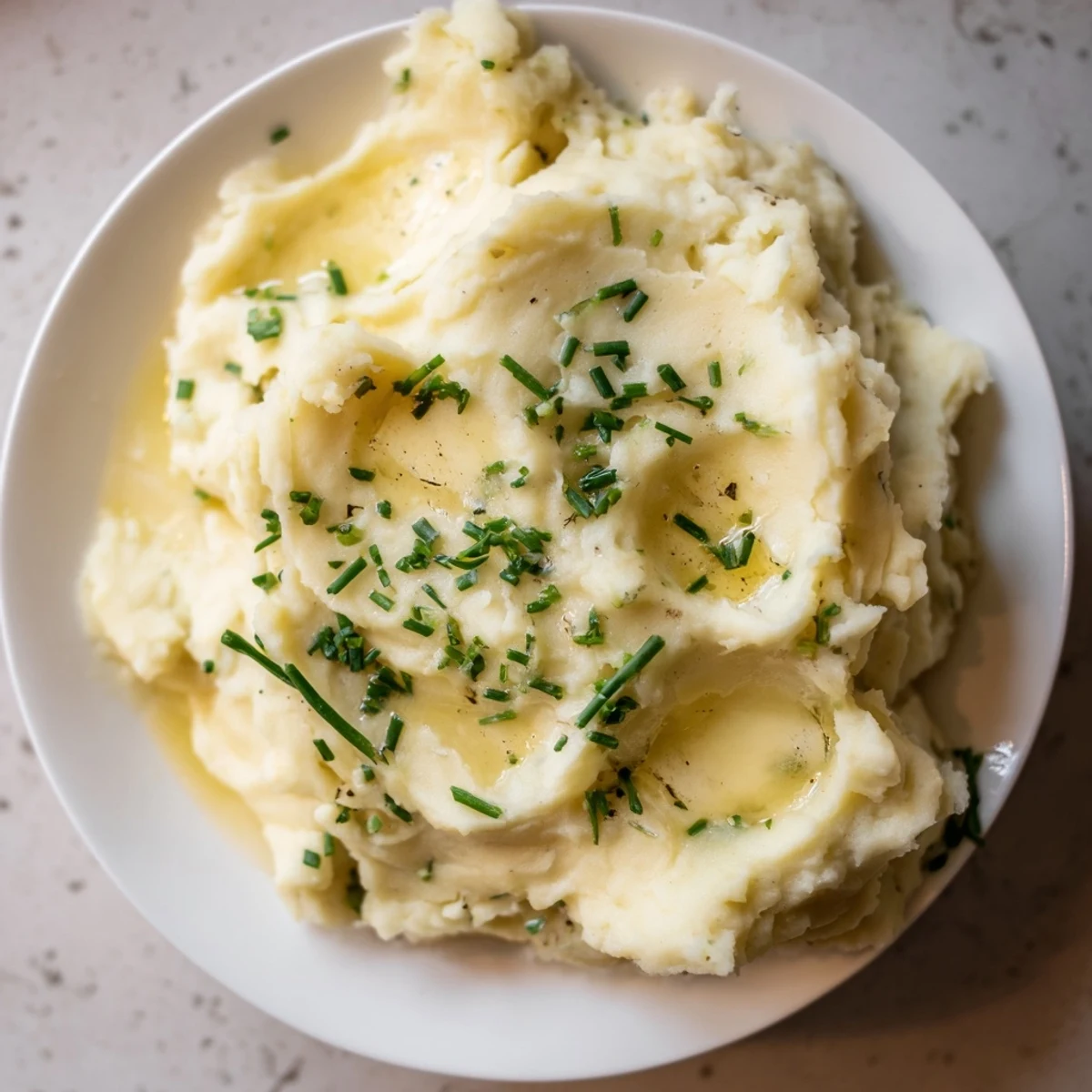
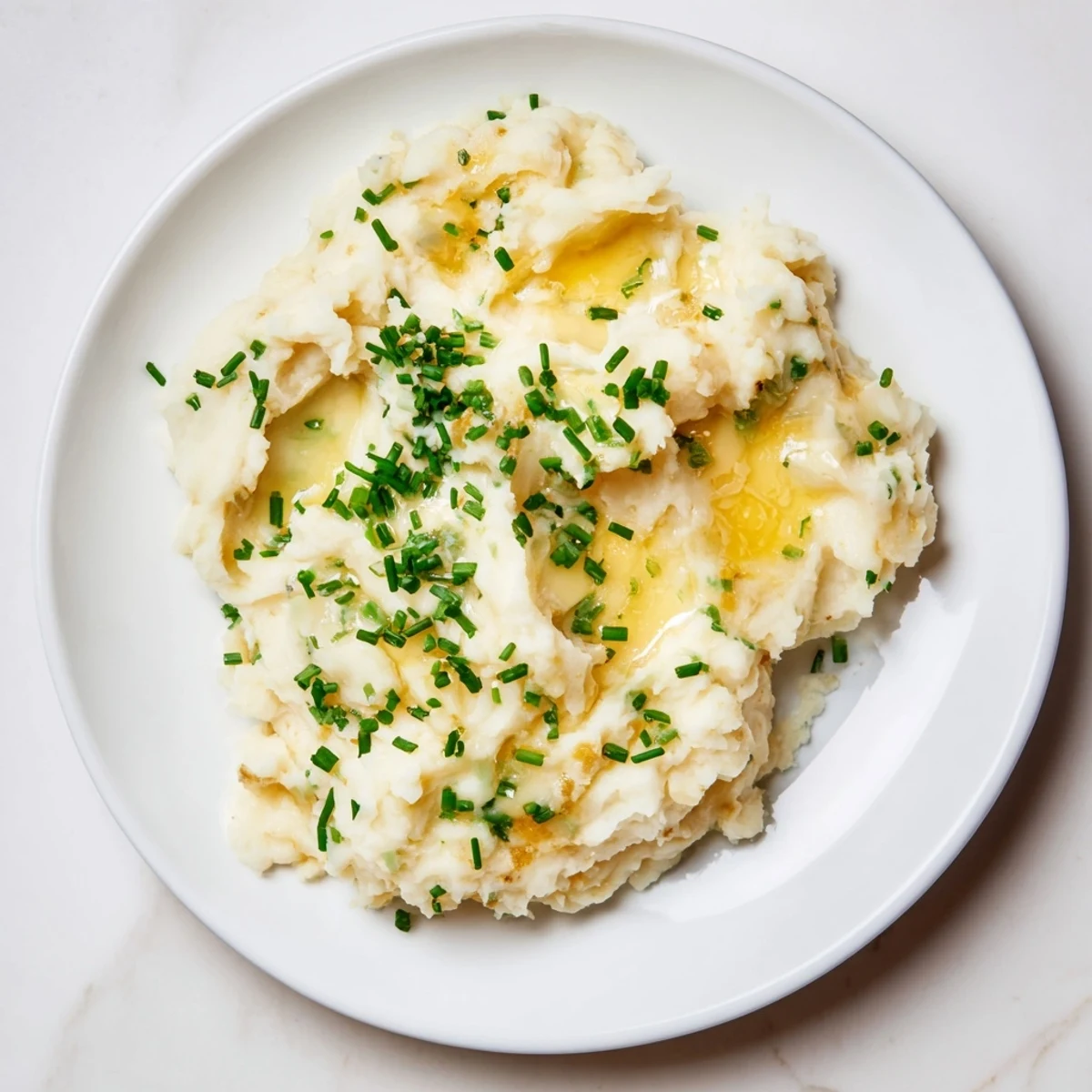
- Taste and adjust your seasoning with additional salt and pepper. This is your moment to make them yours. Transfer to a serving bowl, scatter with chives or parsley if you're using them, and top with a knob of extra butter that will melt into golden richness.
 Save to Pinterest
 These potatoes have become my comfort food anchor. There was a season in my life when everything felt uncertain, and I'd make these just to have one thing I could control and get right. The act of mashing them became meditative, and sharing them with people I loved reminded me that sometimes the most nourishing things are the simplest ones.
Roasting the Garlic for Even More Flavor
If you want to take these from delicious to unforgettable, try roasting your garlic cloves first. Toss them with a tiny bit of olive oil, wrap them in foil, and roast at 400 degrees Fahrenheit for about 15 minutes until they're golden and completely soft. The flavor becomes almost sweet and caramelized, nothing like the sharp bite of raw garlic. This adds an extra step but honestly, it's worth it for special occasions or when you really want to impress someone.
When You're Missing Something
Life happens and sometimes you don't have exactly what a recipe calls for. If you're short on heavy cream, you can swap in whole milk for half of it. You'll get a lighter version that's still creamy. If you're out of unsalted butter, regular salted butter works in a pinch but reduce the added salt slightly. Fresh herbs can be swapped for almost any green herb you have on hand. Parsley, chives, tarragon, even fresh thyme all work beautifully.
Serving Ideas That Clicked
These mashed potatoes are the supporting actor that makes everything around them shine brighter. They're at their best alongside roasted chicken with crispy skin, a perfectly seared steak, or even a hearty vegetarian main like roasted mushrooms or a vegetable tart. I've also found they make an excellent side for holiday meals when you want something comforting that doesn't steal focus. On quieter nights, they're honestly substantial enough to eat on their own, maybe with some sautéed greens on the side.
- Make them a few hours ahead and reheat gently in a pot with a splash of warm milk to restore their creamy texture
- Leftover mashed potatoes are gold for making potato pancakes or topping a shepherd's pie
- If you're cooking for a crowd, this recipe doubles easily and actually gets easier to manage in larger batches
 Save to Pinterest
 Garlic mashed potatoes have taught me that the best recipes are the ones you make again and again, adjusting them slightly each time until they feel like yours. These will become a staple in your kitchen, the kind of dish you return to when you want to feel capable and nourished.
Frequently asked questions about this recipe
- → What potatoes work best for this dish?
-
Yukon Gold or Russet potatoes are ideal as they yield a creamy and smooth texture when mashed.
- → Can I roast the garlic for more flavor?
-
Yes, roasting the garlic before mashing adds a sweeter, deeper flavor that enhances the overall dish.
- → How can I adjust the creaminess?
-
Use warm heavy cream and butter when mixing; for a lighter texture, substitute half the cream with milk.
- → How do I make the mash smooth and fluffy?
-
Mash potatoes thoroughly using a masher or ricer, then stir in warm cream and butter gradually to achieve a silky texture.
- → What herbs pair well as garnish?
-
Fresh chives or parsley add a subtle herbaceous note and a pop of color when sprinkled on top.