
 Save to Pinterest
 Lemon juice offers a bright, tangy citrus flavor that enhances various dishes and beverages. Using fresh lemons, the juice is extracted by rolling and halving the fruit, followed by juicing with a citrus reamer or juicer. Straining removes seeds and pulp for a smooth liquid. It is perfect for marinades, dressings, cocktails, and desserts. For best results, bring lemons to room temperature before juicing. Store in a refrigerator for up to five days or freeze for longer preservation.
I still remember the summer afternoon when my grandmother taught me that the secret to great cooking wasn't fancy equipment or expensive ingredients, but understanding how to coax the very best from what nature gave us. She placed a lemon in my palm, its dimpled skin warm from the sun, and showed me that this simple golden fruit could transform any dish it touched. That moment sparked a lifelong appreciation for fresh lemon juice, the bright backbone of countless meals that followed.
I think about the first time I made vinaigrette for dinner guests using juice I'd squeezed that morning, watching their faces light up as they tasted something they couldn't quite put their finger on. It was the lemon juice, vibrant and alive in a way that changed my understanding of cooking. From that day on, I became someone who always keeps fresh lemons within arm's reach of the kitchen.
Ingredients
- 4–6 medium fresh lemons: The foundation of everything. Choose lemons that feel heavy for their size, a sign they're bursting with juice. The skin should be bright yellow without soft spots. Medium lemons typically yield about 3 tablespoons of juice each, giving you that full cup you're after.
Instructions
- Give them a good wash:
- Hold each lemon under cool running water and rub it gently with your hands or a clean cloth. You're not just rinsing away dirt, you're preparing these fruits to give you their best. Pat them dry when you're done.
- Wake up the lemons:
- This is the move that changes everything. Press each lemon firmly against your countertop and roll it back and forth with the heel of your hand, applying gentle but steady pressure. You'll feel the fruit yield slightly as the juice sacs inside rupture. This small gesture transforms how much juice you'll get from each one.
- Cut with intention:
- Slice each lemon in half crosswise, right through the equator. You'll see those juice-filled chambers perfectly exposed, ready to release their treasure.
- Extract and catch:
- Using a citrus juicer or reamer, work each half over a bowl. Push down and twist, letting the juice flow while the tool catches most of the seeds. There's a satisfying rhythm to this, a moment where you feel connected to the simple alchemy of cooking.
- Strain for clarity:
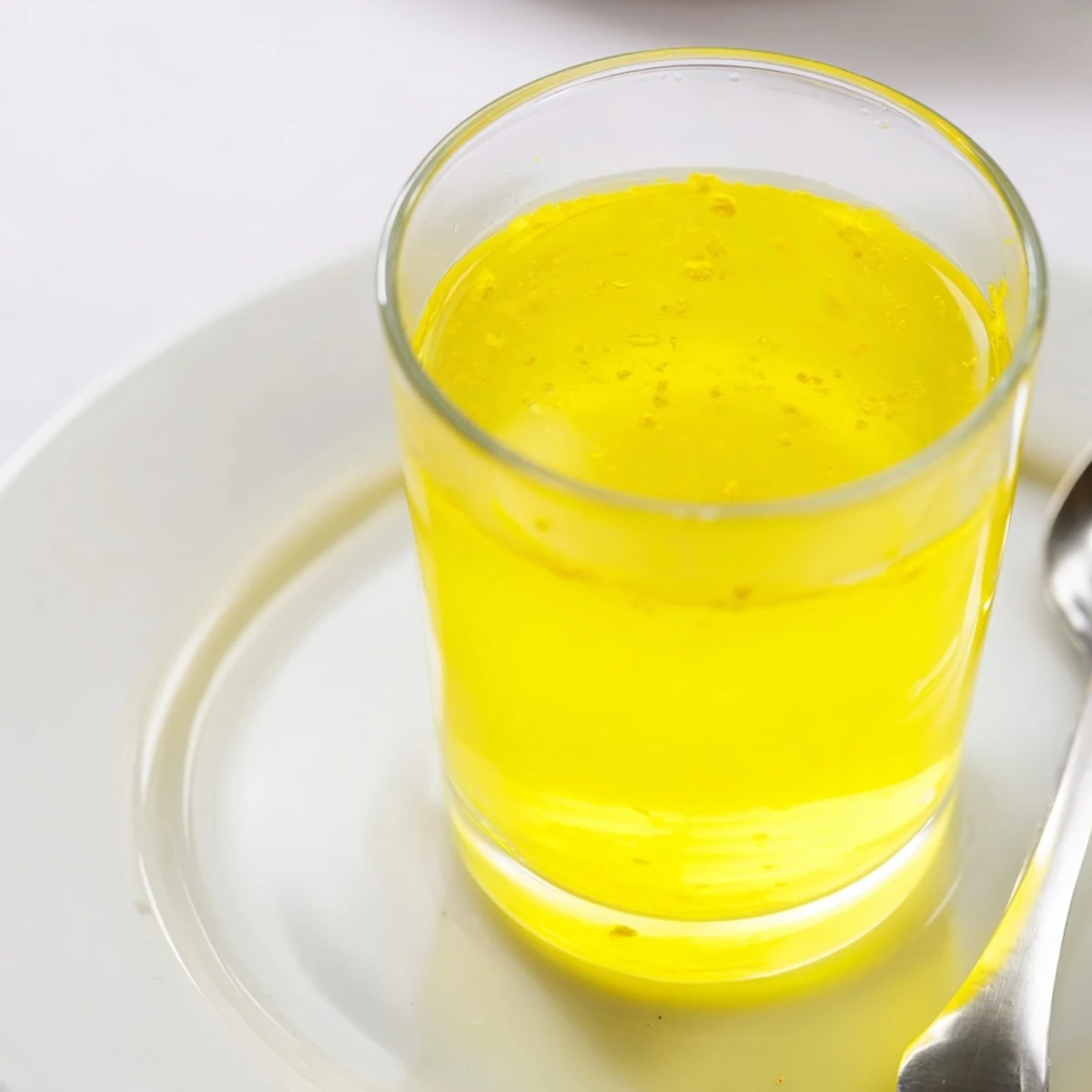
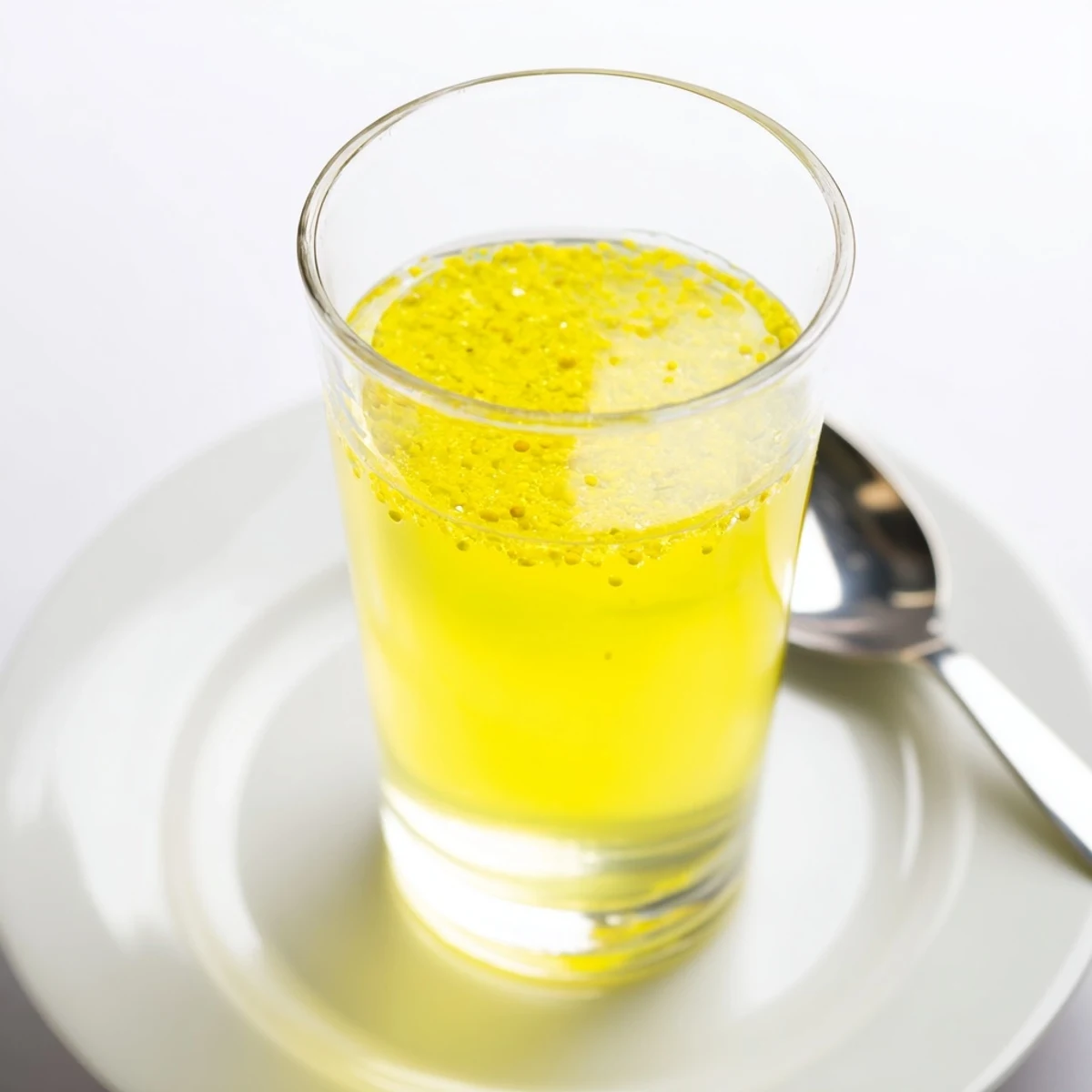
- Pour your juice through a fine mesh sieve into a clean bowl. This catches the last of the seeds and any excess pulp that snuck through, leaving you with pure, clear, brilliant lemon juice. Some days I strain it twice because I love how it looks like liquid sunshine.
- Use or preserve:
- Fresh lemon juice is best used immediately, when it's at its peak brightness. But if you need it to wait, transfer it to an airtight container and refrigerate.
 Save to Pinterest
 There's a quiet satisfaction that comes from standing at your kitchen counter with fresh lemon juice cooling in a bowl, knowing that what you've just made will make someone smile when they taste it. That's when I realized this wasn't just about technique or ingredients, it was about caring enough to do things well.
Making It Last
Fresh lemon juice keeps in the refrigerator for up to five days in an airtight container, though the brightness fades slightly with time. If you want to hold onto that sunshine longer, freeze it in ice cube trays. Once frozen, pop the cubes into a freezer bag and use them throughout the season. Each cube holds about a tablespoon, so you can thaw exactly what you need. I've pulled lemon juice ice cubes from the freezer in December and been transported back to summer's abundance.
A Thousand Uses
Once you have fresh lemon juice on hand, you'll start seeing it everywhere. Whisk it into olive oil for salad dressing, use it to marinate chicken or fish so the acid gently cooks the surface while keeping the inside tender, stir it into cocktails and mocktails, fold it into desserts for a subtle brightness, or simply pour it over ice with water and a touch of honey when the day is warm. This simple juice becomes the thread connecting your cooking across every meal and every season.
The Equipment That Matters
You don't need much to make lemon juice, but having the right tools makes the work feel less like a chore and more like something you might actually do often. A good citrus juicer or reamer is worth the small investment, a fine mesh sieve means seeds disappear completely, and a sharp knife makes clean cuts that don't crush the fruit. Sometimes, the simplest tools are the ones that encourage us to cook more thoughtfully.
- A wooden reamer paired with a glass bowl feels good in your hands and brings out a little more juice than you'd expect
- Glass containers store the juice better than plastic, which can stain and absorb flavors
- Keep your tools clean and dry before using them so the juice stays pure and bright
 Save to Pinterest
 Mastering fresh lemon juice is one of those small kitchen skills that pays dividends forever, making every meal a little brighter and more alive. It's a gift you give yourself every time you cook.
Frequently asked questions about this recipe
- → How can I extract more juice from lemons?
-
Roll lemons firmly on a countertop before cutting to break down the segments and increase juice yield.
- → What tools are recommended for juicing lemons?
-
A citrus juicer or reamer works best to efficiently extract juice while catching seeds.
- → How should lemon juice be stored?
-
Store lemon juice in an airtight container in the refrigerator for up to five days, or freeze in ice cube trays for longer preservation.
- → Can I remove pulp and seeds from lemon juice?
-
Straining through a fine mesh sieve helps remove seeds and excess pulp, yielding a smoother juice.
- → What culinary uses does lemon juice have?
-
It brightens flavors in dressings, marinades, beverages, and desserts with its tangy citrus notes.