
 Save to Pinterest
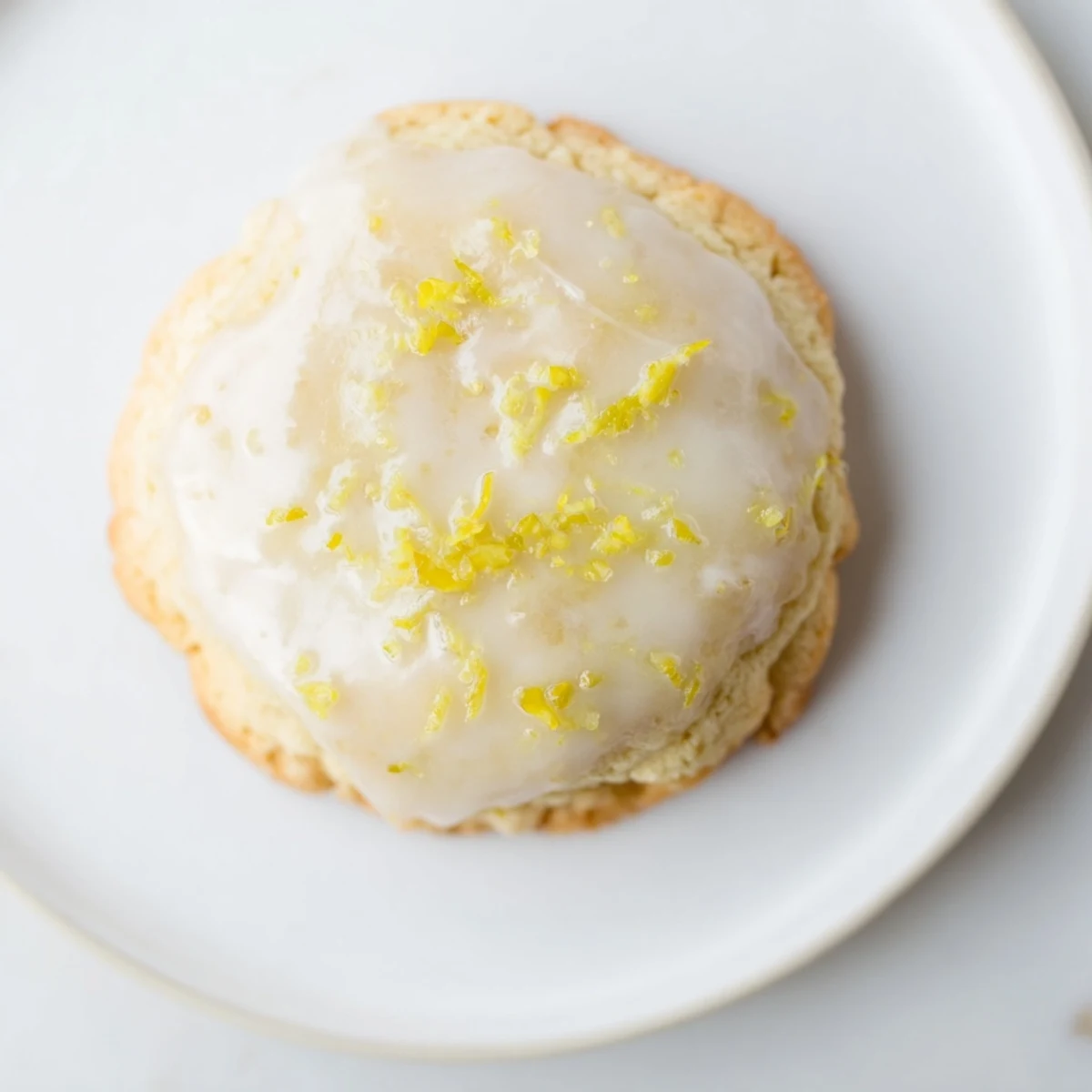
 These soft, pillowy cookies bring together the fresh, bright notes of lemon zest and juice with the creamy richness of ricotta cheese. The dough blends flour, baking powder, and baking soda for a tender crumb, while butter and sugar create a light, fluffy base. A smooth lemon glaze, made from powdered sugar and lemon juice, adds a tangy finish that perfectly complements the delicate texture. Ideal for a quick bake, these treats deliver a satisfying balance of citrus and creamy flavors.
The first time I made these cookies, I was trying to use up a tub of ricotta I'd bought for lasagna that never happened. My kitchen smelled like sunshine, and when my roommate wandered in asking what that bright scent was, she ended up staying until the entire batch was glazed and cooled.
I brought these to a spring brunch last year and watched my friend's six-year-old reach for his third cookie. His mom asked for the recipe before she even finished her first one, saying they tasted like something you'd find in an Italian bakery.
Ingredients
- All-purpose flour: This forms the tender structure that holds everything together, no need to sift unless it's particularly lumpy
- Baking powder and soda: These work together to give the cookies their signature puff, making sure they're cakey rather than flat
- Salt: Just half a teaspoon to balance all that sugar and wake up the lemon flavor
- Unsalted butter: Soften it properly, not melted, so you get that light and fluffy texture when beaten with the sugar
- Granulated sugar: One cup sweetens perfectly while still letting the citrus shine through
- Large egg: Room temperature eggs blend better into the ricotta mixture, no cold surprises
- Whole milk ricotta: This is the secret weapon that makes these cookies so incredibly soft, don't use low-fat or you'll lose the magic
- Fresh lemon zest: Two tablespoons might seem like a lot, but that's where all the bright citrus oil lives, use a microplane if you have one
- Fresh lemon juice: Just enough to add brightness without making the dough too wet to work with
- Pure vanilla extract: One teaspoon rounds out the sharp lemon notes and adds that classic bakery warmth
- Powdered sugar: Sift it first or you'll spend forever fishing lumps out of your perfectly smooth glaze
- Lemon juice for glaze: Start with two tablespoons and add the third only if needed, you want it pourable but not runny
Instructions
- Get your oven ready:
- Preheat to 350°F and line two baking sheets with parchment paper, the cookies will slide right off and cleanup will be a breeze
- Whisk the dry team:
- In a medium bowl, combine flour, baking powder, baking soda, and salt until everything is evenly distributed
- Cream the butter and sugar:
- Beat them together for 2 to 3 minutes until the mixture looks pale and fluffy, this step is worth every second
- Add the wet ingredients:
- Throw in the egg, ricotta, lemon zest, lemon juice, and vanilla, then beat until the mixture looks smooth and creamy
- Bring it all together:
- Gradually fold in the dry ingredients, mixing just until you no longer see white streaks, overmixing makes tough cookies
- Scoop and space:
- Drop tablespoonfuls of dough onto your prepared sheets, leaving about 2 inches between them because they'll spread into perfect rounds
- Bake to golden perfection:
- Bake for 13 to 15 minutes until the edges are just turning light golden, they'll still feel soft but that's exactly right
- Let them rest:
- Cool on the baking sheets for 5 minutes, then move them to a wire rack so air can circulate and they don't get soggy bottoms
- Make the glaze:
- Whisk powdered sugar, lemon juice, and lemon zest in a small bowl until smooth and pourable, adding more juice a teaspoon at a time if needed
- Glaze and wait:
- Once cookies are completely cool, drizzle or spoon the glaze over each one and let it set for about 20 minutes before serving
 Save to Pinterest
 My sister texted me at midnight after I'd left her a container of these cookies, saying she'd just eaten three while standing in her kitchen in pajamas, unable to stop herself. Sometimes the best recipes are the ones that make you lose all self-control.
The Secret to Even Zesting
I used to zest right into my mixing bowl and inevitably end up with clumps of zest that wouldn't distribute evenly through the dough. Now I zest onto a small plate first, then sprinkle it in while the mixer runs, and every single cookie gets that perfect burst of lemon flavor.
Ricotta Matters
After trying multiple brands, I've noticed that some ricottas are much wetter than others, which can throw off the dough consistency. If your ricotta looks particularly watery, drain it in a sieve for 15 minutes before using, and if it seems dry, add an extra teaspoon of lemon juice.
Glaze Like a Pro
The glaze should be thick enough to hold its shape when you drizzle it but thin enough to spread slightly on its own. I pour it into a zip-top bag, snip off a tiny corner, and pipe it in zigzag patterns across each cookie.
- Let the glaze set completely before stacking the cookies, or you'll end up pulling it off when you separate them
- If the glaze starts to thicken while you're working, add a few drops of lemon juice and whisk to bring it back to life
- A pinch of salt in the glaze cuts through the sweetness and makes the lemon pop even more
 Save to Pinterest
 There's something so satisfying about a cookie that feels like a little cloud with a bright, tangy finish, and I hope these bring as much sunshine to your kitchen as they've brought to mine.
Frequently asked questions about this recipe
- → How do ricotta cheese and lemon zest influence the texture?
-
Ricotta adds moisture and creaminess, resulting in a soft, tender crumb, while lemon zest imparts a fresh citrus aroma and subtle bite.
- → Can mascarpone be used instead of ricotta?
-
Yes, substituting mascarpone creates a richer, slightly denser texture with a buttery flavor profile.
- → What is the role of baking powder and baking soda here?
-
They act as leavening agents, helping the cookies rise and maintain a light, fluffy structure during baking.
- → How to achieve the perfect lemon glaze consistency?
-
Whisk powdered sugar with enough lemon juice to create a smooth, pourable glaze that sets without dripping excessively.
- → What baking tools simplify this preparation?
-
Using an electric mixer, microplane for zesting, parchment-lined baking sheets, and a wire rack for cooling ensures ease and best results.