
 Save to Pinterest
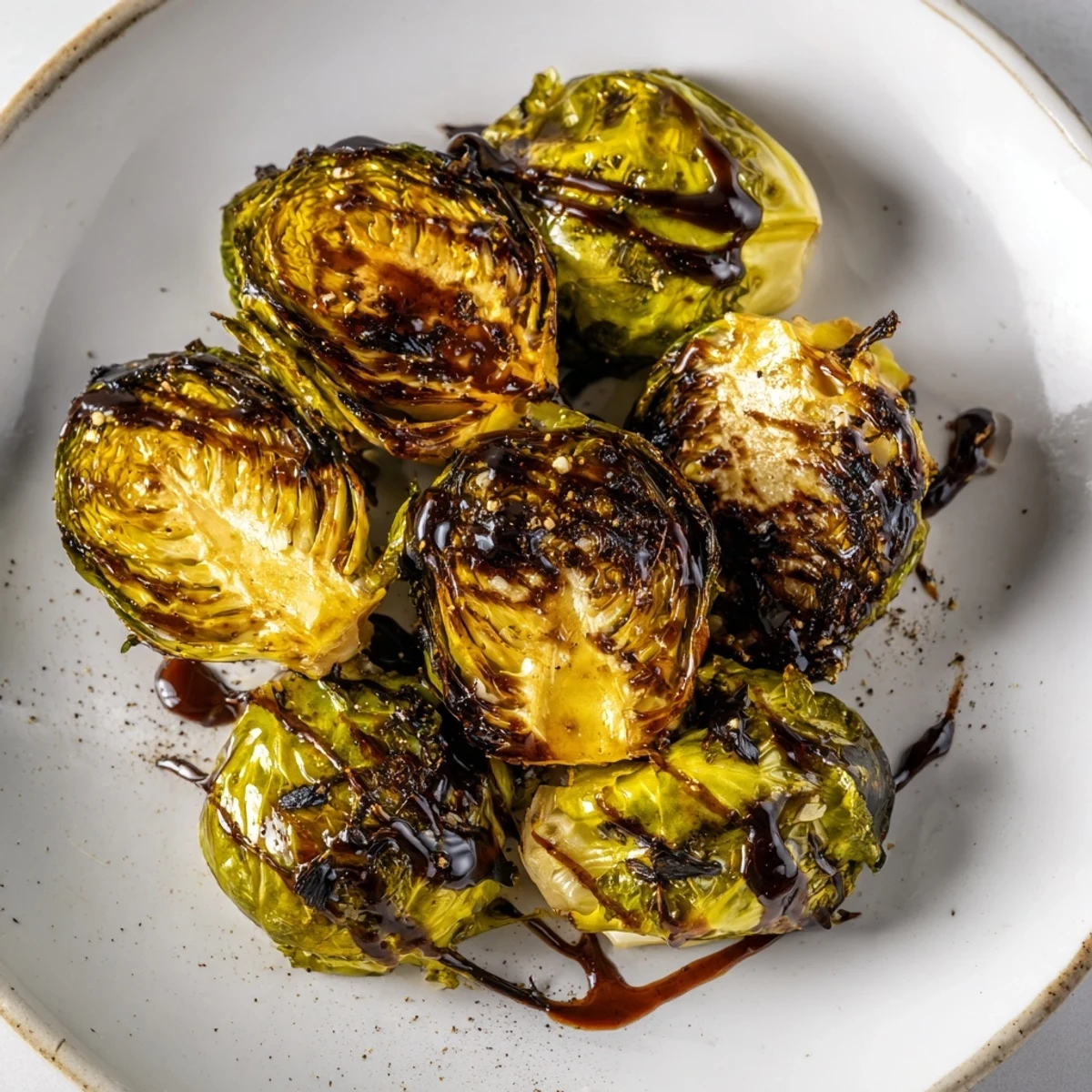
 Brussels sprouts are trimmed and halved before being tossed with olive oil, salt, pepper, and optional garlic powder. They roast at high heat until golden and crisp-tender. Meanwhile, a balsamic vinegar glaze is gently simmered with honey or maple syrup until thickened. The glaze is drizzled over the warm sprouts, offering a perfect harmony of sweet and tangy flavors. This dish pairs well as a flavorful side, with optional toasted nuts or Parmesan to enhance taste.
There's this Tuesday evening I can't shake—my neighbor brought over a plate of roasted Brussels sprouts that tasted nothing like the mushy ones from my childhood. I asked for the recipe, and honestly, it was the glaze that did it. The way balsamic reduces into this glossy, almost syrupy coating made me understand that Brussels sprouts weren't the problem; I'd just never given them a real chance.
I made this for a weeknight dinner when my sister was visiting, and she actually paused mid-conversation to say how good they were. That moment stuck with me because it felt small but real, the kind of thing that happens when a side dish stops being an afterthought and becomes something people genuinely want to eat.
Ingredients
- Brussels sprouts: Look for ones that feel firm and heavy for their size, about the same width so they cook evenly. Halving them flat-side down is the secret to getting those caramelized, nutty exteriors.
- Olive oil: Don't skip this or use spray; the oil is what creates those crispy edges and helps the seasoning stick.
- Sea salt and black pepper: Freshly ground pepper makes a real difference here because you actually taste its warmth.
- Garlic powder: Optional, but I always add it because it whispers in the background without overpowering anything.
- Balsamic vinegar: The quality matters more than you'd think; a cheap one tastes one-dimensional, but a decent one adds depth and slight sweetness.
- Honey or maple syrup: The sweetener balances the vinegar's sharp tang and helps the glaze cling to the sprouts.
Instructions
- Heat your oven and prep:
- Get the oven to 425°F and line a baking sheet with parchment paper. This temperature is hot enough to caramelize the outsides without turning the insides to mush.
- Coat the sprouts:
- Toss the halved Brussels sprouts with olive oil, salt, pepper, and garlic powder in a large bowl. You want every piece glistening and evenly seasoned; this is worth taking a minute to do right.
- Arrange and roast:
- Lay them cut-side down in a single layer on your sheet. Don't crowd them or they'll steam instead of roast. About 12 minutes in, give the pan a stir so they cook evenly and develop color on all sides, then finish roasting for another 10 to 13 minutes until they're golden and crisp-tender.
- Make the glaze while they roast:
- In a small saucepan, combine balsamic vinegar and honey over medium heat. Once it starts to bubble gently, turn the heat down and let it cook for 5 to 7 minutes, stirring occasionally, until it thickens and reduces by about half. You'll notice it coating the back of a spoon. Let it cool slightly so it's still pourable but not piping hot.
- Finish and serve:
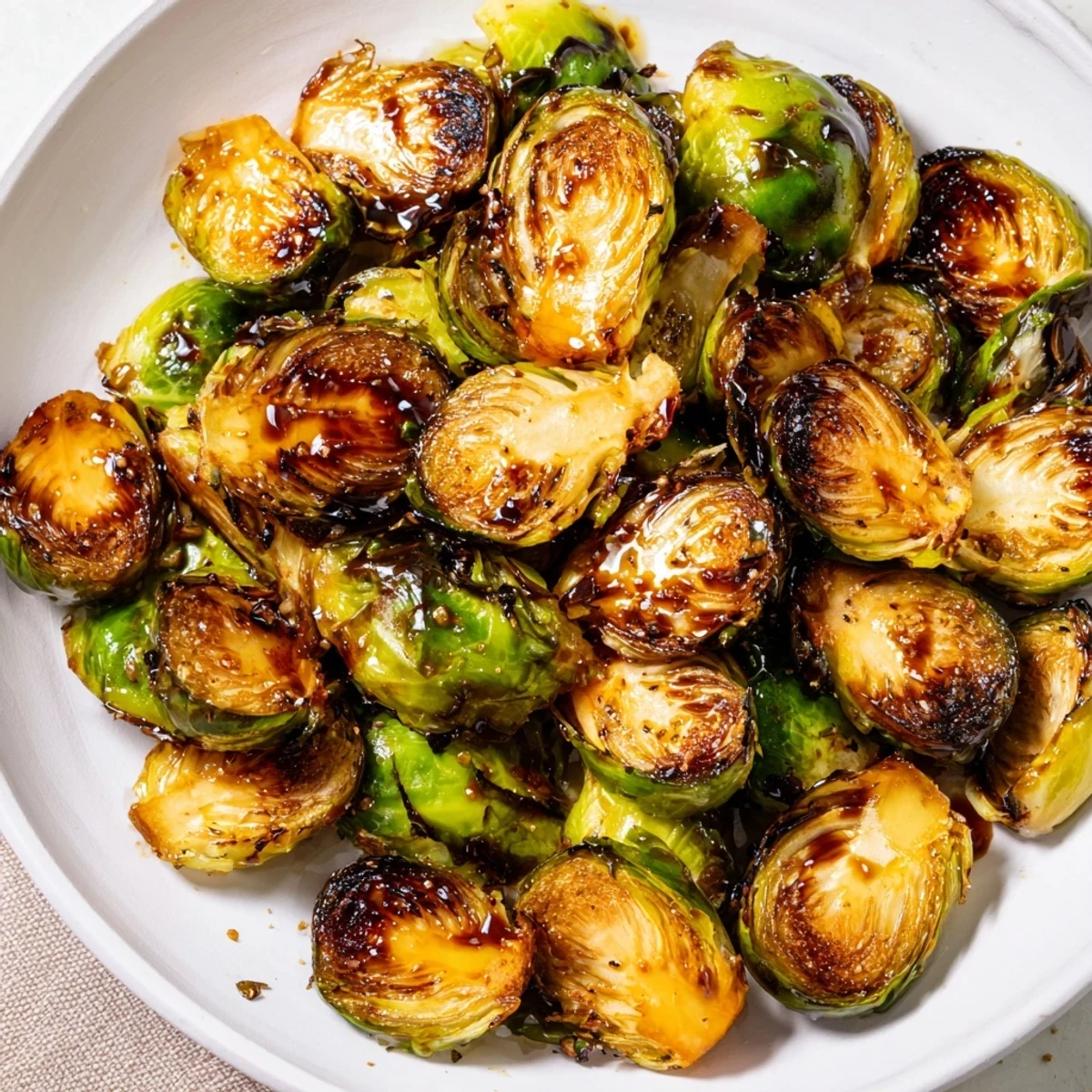
- Slide the roasted Brussels sprouts onto a serving platter and drizzle the glaze over top. Serve right away so they're still warm and crispy.
 Save to Pinterest
 My kid, who refuses most vegetables, actually ate a full side of these without being asked. I stood there watching in disbelief, and it struck me that the right preparation can turn a "no" into a "yes" without any negotiation. That's the real magic here.
The Science of Caramelization
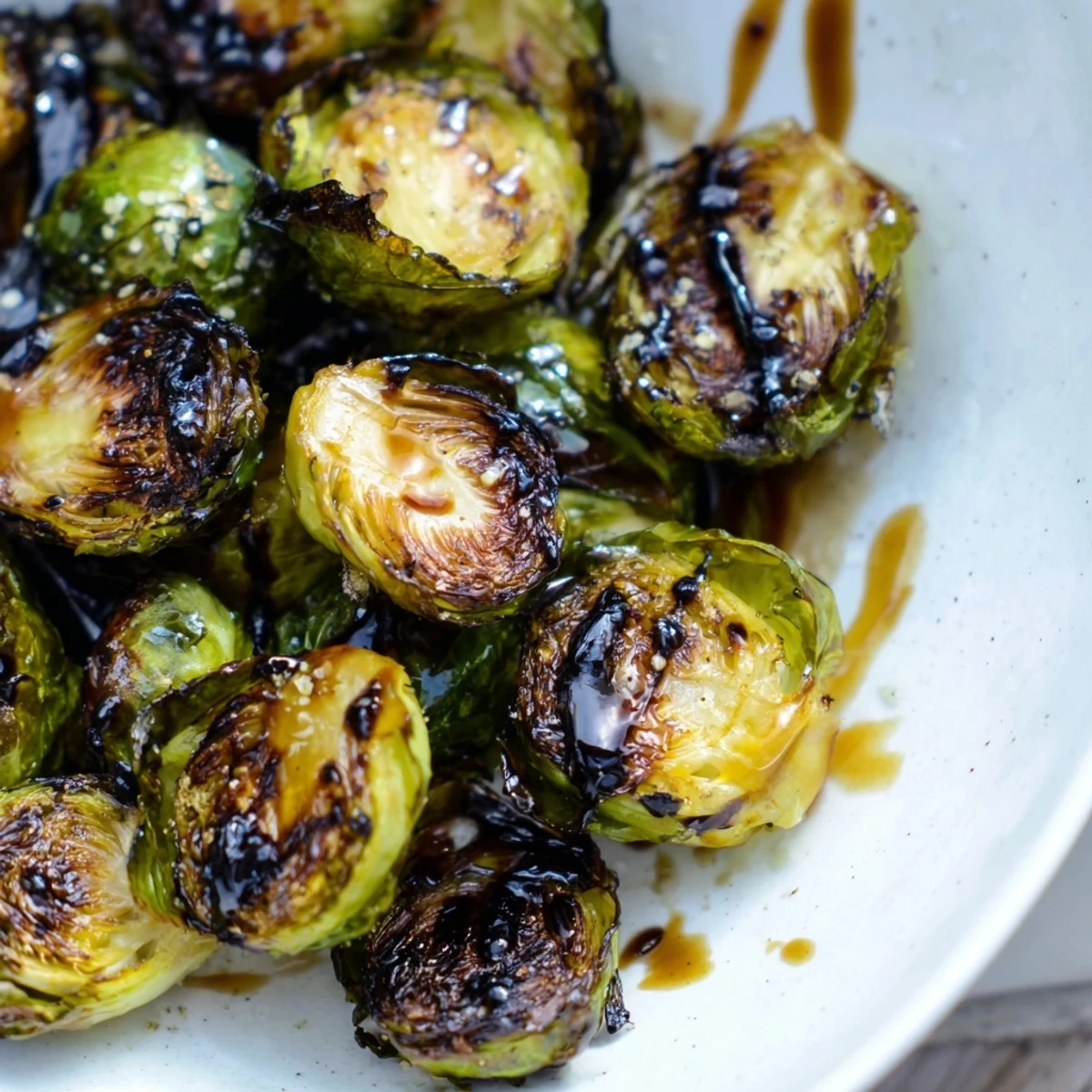
When you roast Brussels sprouts at high heat cut-side down, the natural sugars on that flat surface undergo the Maillard reaction, creating those deep brown, nutty flavors that taste almost buttery. It's not fancy—it's just chemistry working in your favor. The glaze amplifies this sweetness, creating a contrast that makes every bite interesting.
Storage and Make-Ahead Options
The balsamic glaze genuinely keeps in a jar in the refrigerator for a week, which means you can make it on Sunday and have it ready for weeknight cooking. The roasted sprouts themselves taste best served the same day, but leftovers are great cold in a salad or reheated gently in the oven for about ten minutes.
Ways to Make It Your Own
This recipe is a foundation, not a rigid formula. Some nights I add a handful of toasted walnuts or a shower of Parmesan, and other times I keep it simple. The core—roasted sprouts, sweet-tangy glaze—never changes, but that's what makes it reliable and adaptable.
- Toss in crispy pancetta or prosciutto for a meaty richness that pairs beautifully with the balsamic.
- Sprinkle toasted nuts like pecans or hazelnuts for texture and a subtle earthiness.
- Add grated Parmesan or a crumble of feta at the very end for extra flavor and visual appeal.
 Save to Pinterest
 This is one of those dishes that reminds you there's nothing wrong with simplicity, especially when it tastes this good. I make it whenever I need to bring something to a table and feel confident it'll disappear.
Frequently asked questions about this recipe
- → How do I get crispy Brussels sprouts?
-
Roast them cut side down on a baking sheet at a high temperature to ensure caramelization and crisp edges.
- → Can I use a substitute for honey in the glaze?
-
Yes, maple syrup works well as a vegan alternative while maintaining sweetness.
- → How long should the balsamic glaze be cooked?
-
Simmer the balsamic vinegar and sweetener mixture for 5–7 minutes until it thickens and reduces by half.
- → What seasoning options enhance the sprouts?
-
Sea salt, freshly ground black pepper, and optional garlic powder complement the natural flavors effectively.
- → Can this dish be prepared ahead of time?
-
The balsamic glaze can be made in advance and refrigerated for up to a week, ready to drizzle before serving.