
 Save to Pinterest
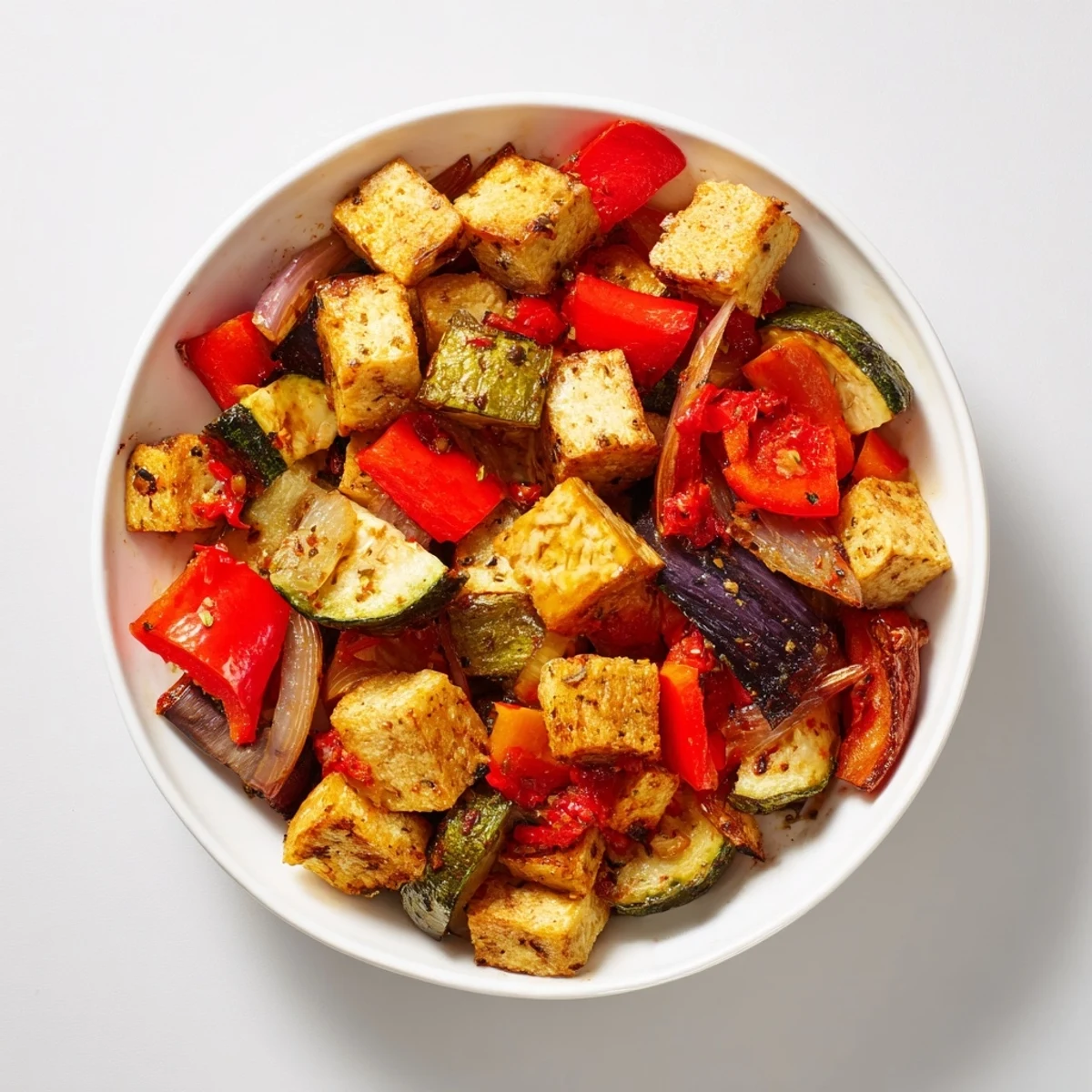
 This vibrant medley features a selection of zucchini, bell peppers, red onion, carrots, eggplant, and cherry tomatoes, all tossed in olive oil, garlic, Italian herbs, salt, and pepper. Roasting at high heat caramelizes the vegetables, intensifying their natural sweetness and flavors. Perfect as a side dish or a hearty vegetarian option, this dish pairs well with grains or salads. Garnish with fresh parsley for a touch of brightness. Adjust veggies seasonally or add balsamic vinegar for extra depth. Simple tools and easy steps make it accessible for all skill levels.
I still remember the first time I truly understood what it meant to roast vegetables properly. It was a late autumn afternoon when my grandmother pulled a tray of golden, caramelized vegetables from her oven, and the kitchen filled with this incredible aroma of sweet, charred edges and fresh herbs. She taught me that day that roasting isn't just about cooking—it's about coaxing out the hidden sweetness that lives inside every vegetable, waiting for heat and time to bring it to life.
Years later, I made this dish for a dinner party when a friend mentioned she'd never had vegetables she actually enjoyed eating. Watching her face light up as she bit into those golden-edged peppers and perfectly tender zucchini—that's when I knew this recipe deserved a permanent spot in my rotation. Now whenever I need to feed a crowd and please everyone from the pickiest eaters to the most adventurous, I reach for this one.
Ingredients
- 1 medium zucchini, cut into 1-inch pieces: Zucchini brings a delicate, slightly sweet flavor that becomes almost creamy when roasted. Cut them uniformly so they cook at the same pace as the other vegetables—uneven pieces will leave you with some undercooked and some overdone.
- 1 red bell pepper and 1 yellow bell pepper, cut into 1-inch pieces: These are the stars of the show. Red peppers develop deeper, almost fruity notes when roasted, while yellow ones stay bright and slightly tangy. They should be roughly the same size as your other vegetables so everything finishes together.
- 1 medium red onion, cut into wedges: Red onions caramelize beautifully and become almost sweet. Keep the pieces a bit bigger than you think—they shrink considerably and you want them to stay intact and tender, not turn into mush.
- 2 medium carrots, peeled and sliced: Carrots add natural sweetness and a beautiful pop of color. I've learned to slice them slightly thinner than the other vegetables since they take a bit longer to soften.
- 1 small eggplant, cut into 1-inch cubes: Eggplant becomes silky and luxurious when roasted with olive oil. Don't peel it—that skin helps hold everything together and adds lovely color contrast.
- 200 g cherry tomatoes, halved: These little gems burst slightly and concentrate their flavor into something almost jammy. Halving them helps them cook faster and prevents them from rolling around the pan like tiny escapees.
- 3 tbsp extra virgin olive oil: This is your magic ingredient. The good stuff matters here because the oil itself becomes part of the flavor. It helps everything caramelize and create those crispy, golden edges.
- 1 tsp sea salt, ½ tsp freshly ground black pepper, 1 tsp dried Italian herbs: These seasonings enhance rather than overpower. The herbs should smell fragrant and floral, not dusty and old, so check that bottle date.
- 2 cloves garlic, minced: Mince it small so it distributes evenly and doesn't burn. If the pieces are too large, they'll turn bitter or char while the vegetables are still cooking.
- 1 tbsp fresh parsley, chopped: This is your finishing touch—it adds brightness and a hint of fresh flavor that contrasts beautifully with the deep roasted notes underneath.
Instructions
- Prepare Your Oven and Pan:
- Get your oven heating to 220°C (425°F)—this high heat is crucial for creating those caramelized edges we're after. Line your baking sheet with parchment paper so your vegetables don't stick and you don't spend twenty minutes scrubbing afterwards. An oven that's truly preheated makes all the difference between steamed vegetables and properly roasted ones.
- Gather and Prepare Your Vegetables:
- Combine all your vegetables in a large bowl—zucchini, bell peppers, onion, carrots, eggplant, and cherry tomatoes. This step looks simple, but take a moment here. Make sure all your cuts are roughly the same size. I learned this the hard way the first time I made this: uniform pieces mean everything finishes at the same time, tender and golden.
- Coat with Oil and Seasonings:
- Drizzle your vegetables generously with that good olive oil, then add the salt, pepper, Italian herbs, and minced garlic. Now comes the fun part—use your hands and toss everything together like you're mixing a salad. Get your fingers in there and make sure every piece is touched by the oil and seasoning. This hands-on approach helps you ensure nothing gets missed and left plain.
- Arrange on Your Baking Sheet:
- Spread the vegetables in a single layer on your prepared sheet. This is important: they should touch, but not be piled on top of each other. Single layer means exposed surface means caramelization and color. A crowded pan steams the vegetables instead of roasting them—trust me, I've made that mistake.
- Roast and Stir:
- Put the sheet in your preheated oven for about 30 to 35 minutes. Around the halfway point—at about 15 minutes—pull the sheet out and give everything a good stir. This helps the vegetables brown evenly on all sides. You'll notice the edges starting to turn golden and the smell getting richer and more complex.
- Finish and Serve:
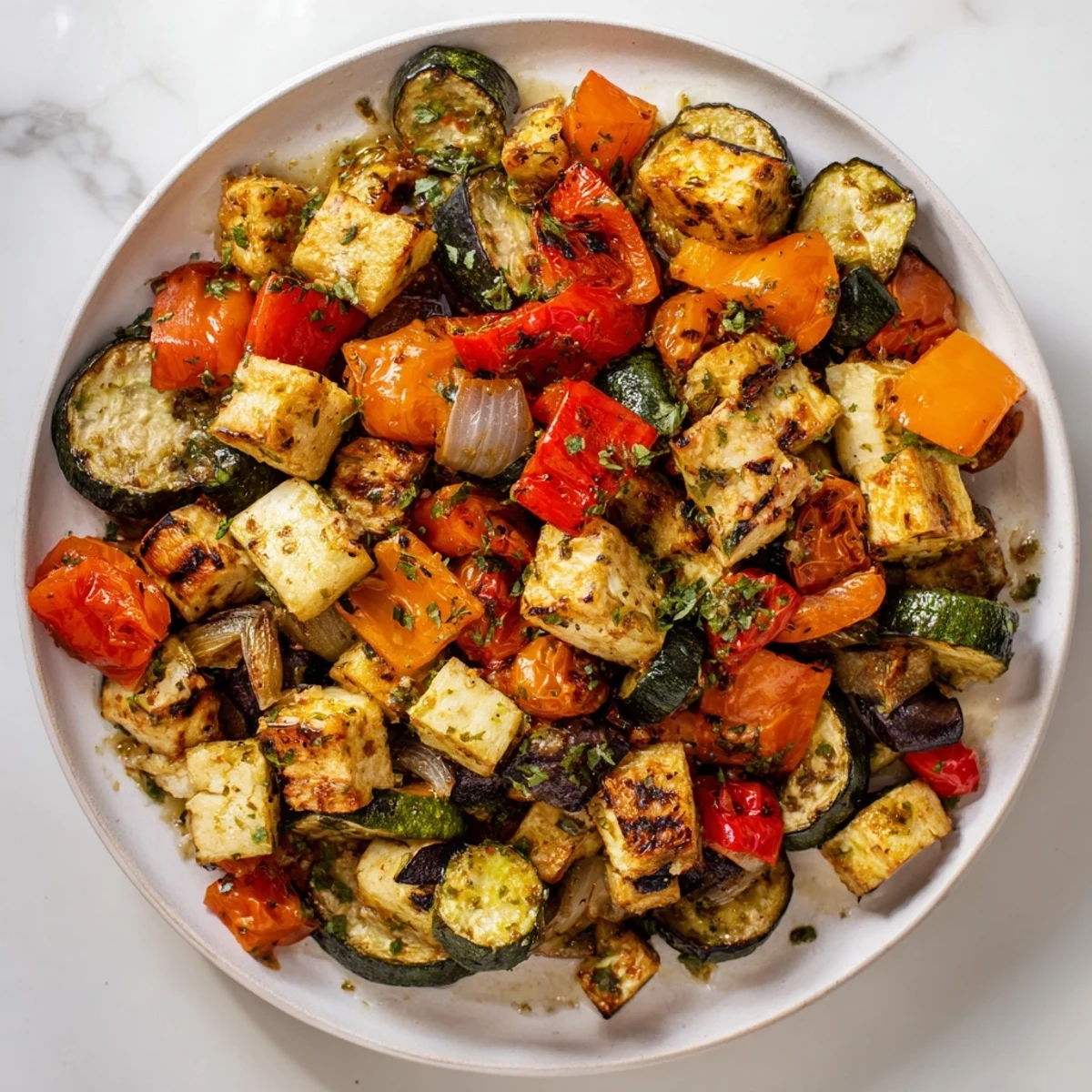
- When the vegetables are tender and the edges are lightly caramelized (they should have some color, not be pale), remove from the oven. Transfer to a serving platter and scatter that fresh parsley over the top. Serve while they're still warm, when the flavors are at their most vibrant.
 Save to Pinterest
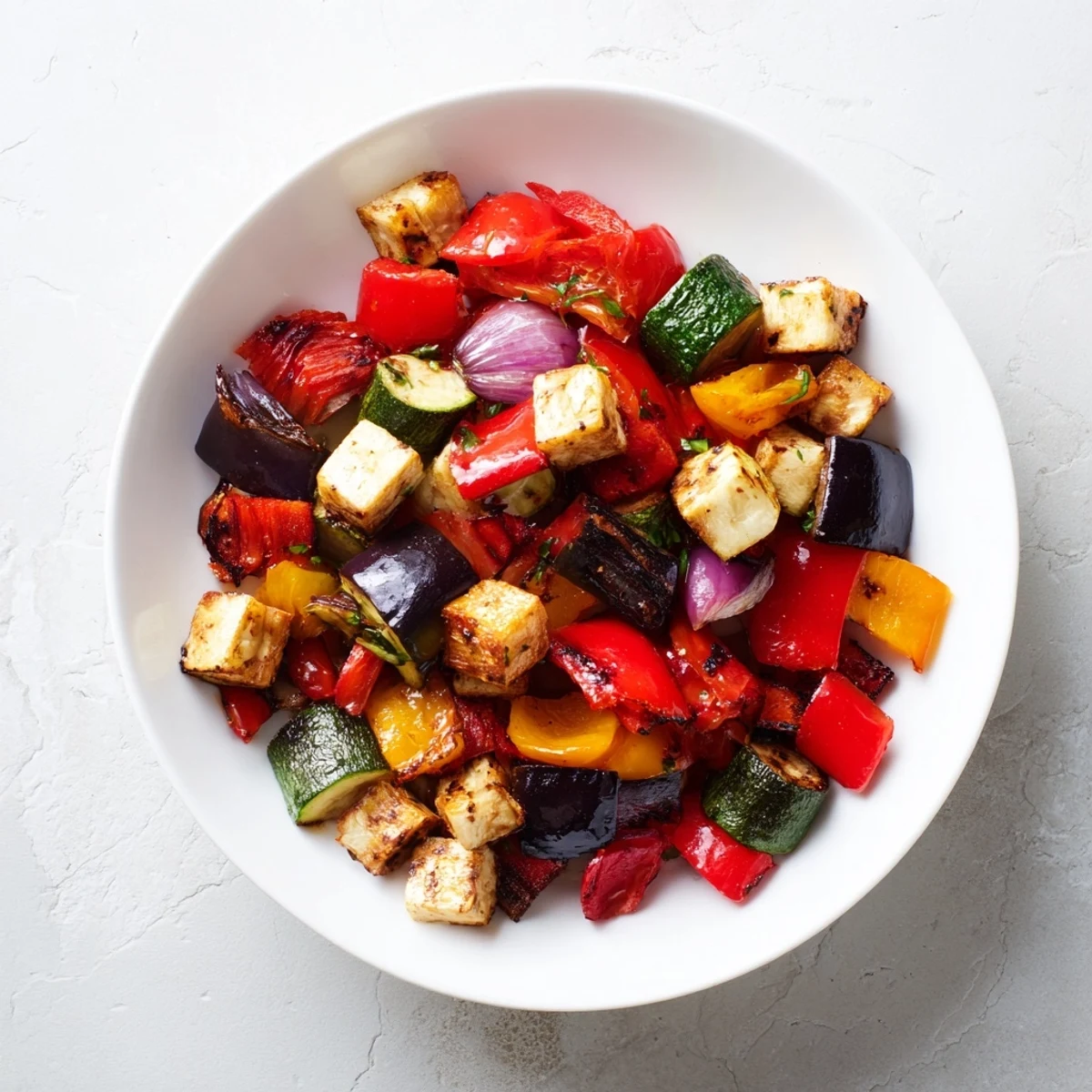
 I'll never forget the first Thanksgiving I brought this dish to my partner's family dinner. Their kitchen was chaotic, their oven was quirky, and I was nervous. But thirty-five minutes later, when I pulled out that tray of roasted vegetables in reds, yellows, oranges, and greens, everyone gathered around. Three vegetable-avoiding cousins asked for seconds. That's when I realized this simple recipe had become something that bridges preferences and brings people together.
Why This Works as a Side and a Main
There's something magical about roasted vegetables that lets them shine as either role. As a side, they complement any protein beautifully without demanding attention. But serve this as a main course—maybe over a bed of warm quinoa or alongside crusty bread—and suddenly it becomes a complete, satisfying meal. The caramelized edges provide substance and richness that makes you feel full and nourished, not like you've settled for just vegetables. I've served this to vegetarian guests and meat-eating friends alike, and everyone leaves the table happy.
Making It Seasonal and Personal
The beauty of this recipe is how it adapts to what's available and what you're craving. In spring, I add asparagus and fresh peas. Summer brings more tomatoes and summer squash. Fall is all about mushrooms and sweet potatoes. Winter gets Brussels sprouts and root vegetables. I've learned to think of this recipe not as fixed, but as a template. The technique stays the same—the vegetables change with the seasons and my mood. That flexibility means I never get tired of it, and it always tastes like the time of year when I'm making it.
Serving Suggestions and Pairing Ideas
Over the years, I've discovered that these roasted vegetables are incredibly versatile. Toss them with warm pasta and a bit of olive oil for a simple main. Pile them onto toasted bread for an open-faced sandwich. Mix them into grain bowls with your favorite protein. Top salads or add to grain salads for substance and flavor. They're equally wonderful at room temperature the next day, which makes them perfect for meal prep or lunch boxes. If you're pairing with wine, these vegetables shine with crisp, fresh whites like Sauvignon Blanc or Pinot Grigio—the acidity cuts through the richness beautifully.
- Add a splash of balsamic vinegar in the last few minutes of roasting for deeper, more complex flavor
- A squeeze of fresh lemon juice right after roasting brightens everything up beautifully
- Fresh herbs like basil or thyme scattered on top bring an extra layer of freshness
 Save to Pinterest
 This recipe changed how I think about cooking vegetables—from a task to check off to something I genuinely look forward to. Every time I smell that roasted vegetable aroma filling my kitchen, I'm grateful for the lesson my grandmother taught me about coaxing sweetness from simple ingredients.
Frequently asked questions about this recipe
- → What vegetables are best for roasting in this medley?
-
Zucchini, red and yellow bell peppers, red onion, carrots, eggplant, and cherry tomatoes work well to create a balanced flavor and texture.
- → How do I ensure the vegetables roast evenly?
-
Cut vegetables into uniform sizes and spread them in a single layer on the baking sheet, stirring halfway through roasting for even caramelization.
- → Can I customize the herbs and seasonings?
-
Yes, Italian herbs like herbes de Provence complement the dish well, but you can use rosemary, thyme, or basil to match your preference.
- → What is the ideal oven temperature for roasting these vegetables?
-
Preheat the oven to 220°C (425°F) to achieve tender and lightly caramelized vegetables.
- → How can I adapt this dish for different seasons?
-
Swap or add vegetables like mushrooms, sweet potatoes, or asparagus depending on availability to keep the medley fresh throughout the year.
- → What dishes pair well with this roasted vegetable medley?
-
This medley pairs wonderfully with quinoa, couscous, pasta, or as a side to grilled proteins or fresh salads.