
 Save to Pinterest
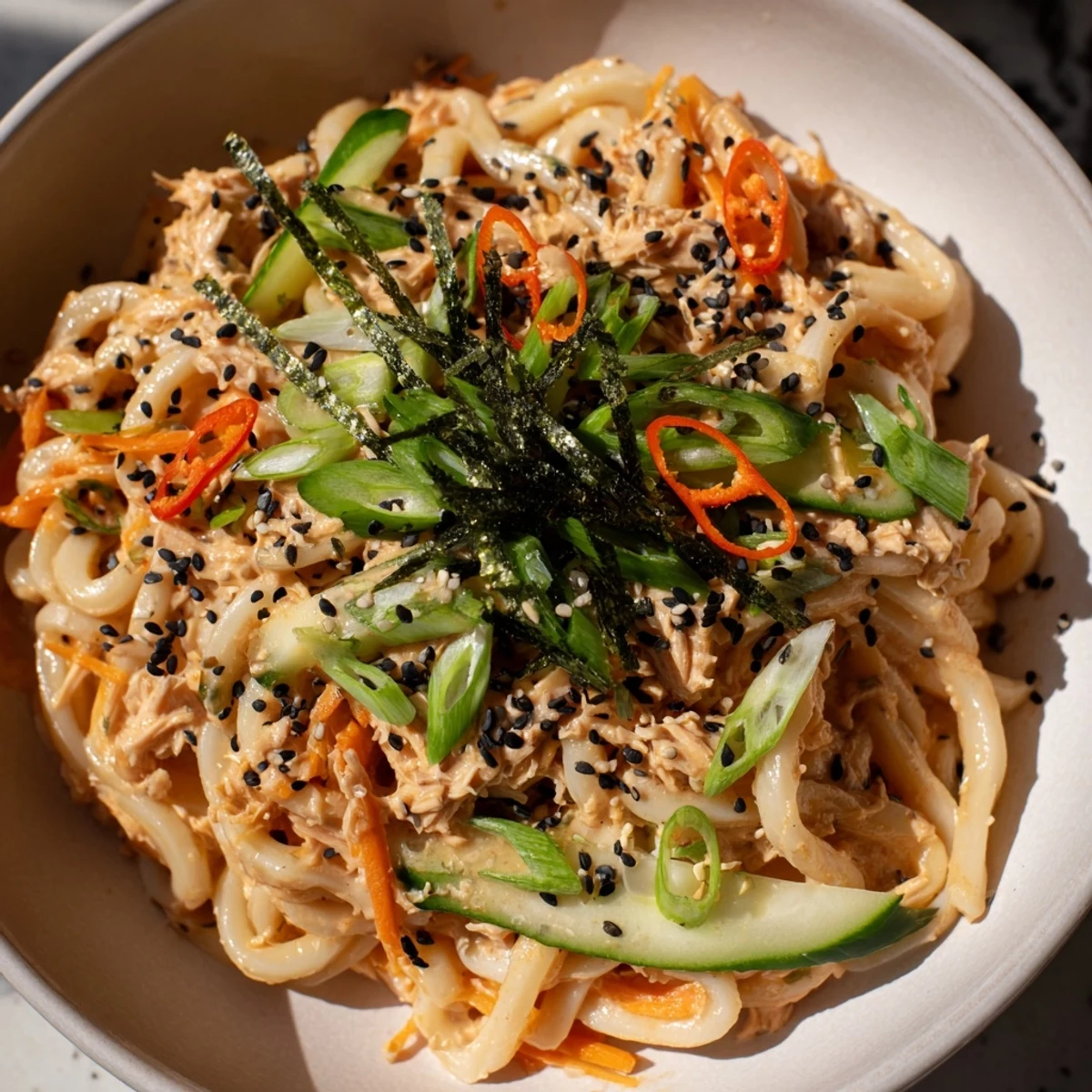
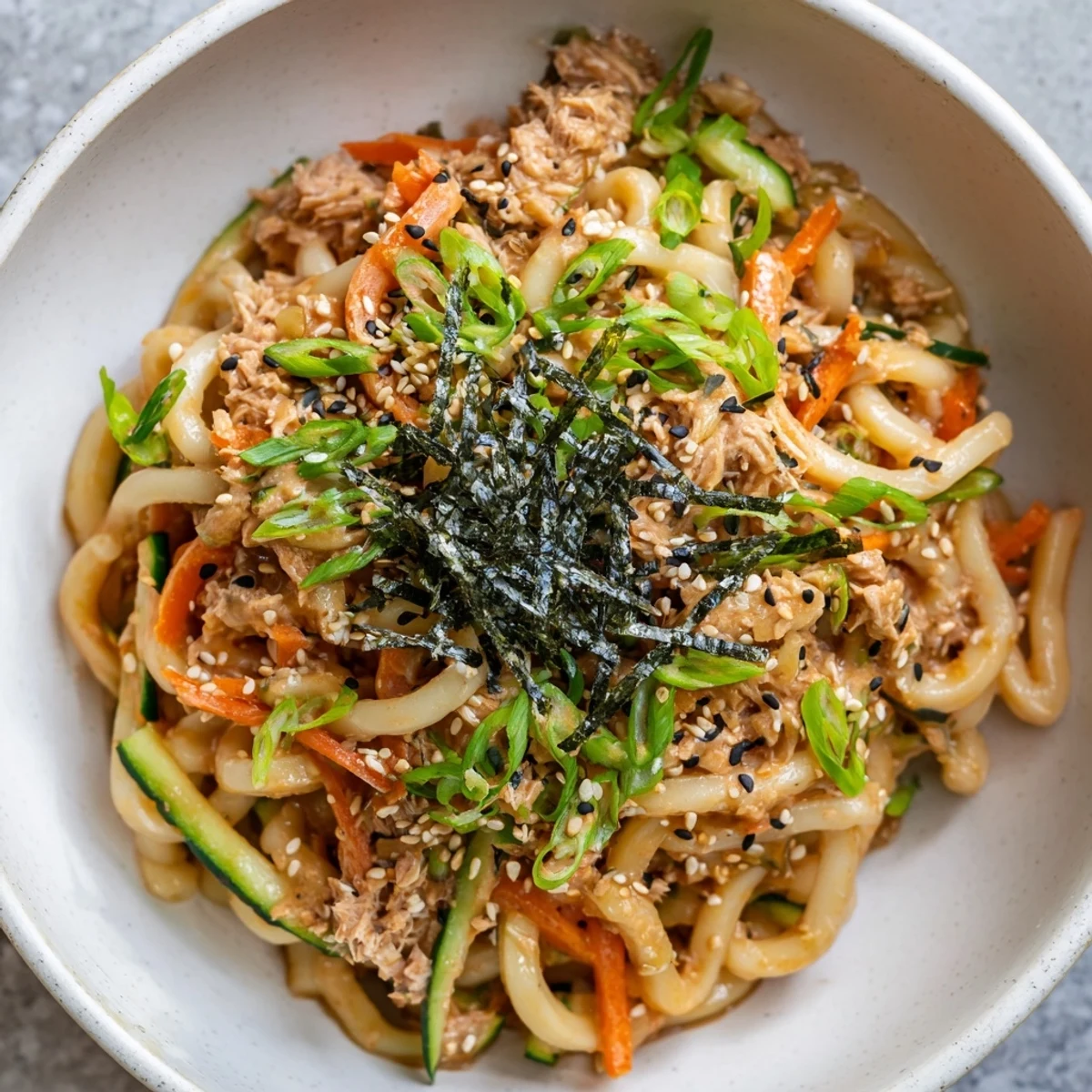
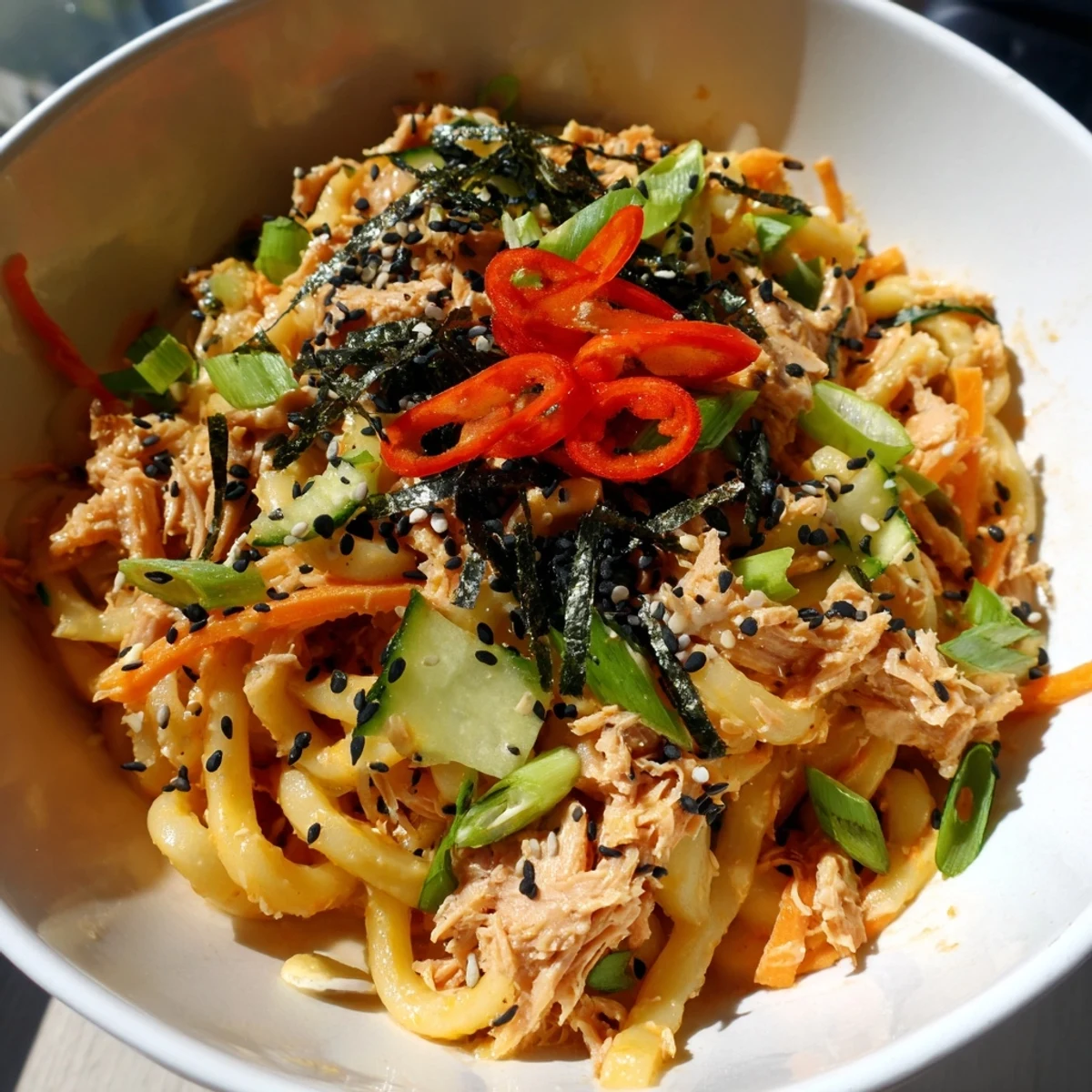
 This vibrant Japanese-style noodle bowl combines thick chewy udon with a spicy tuna mixture that's been coated in a rich, creamy sauce. The dish balances tender flaked tuna with crisp julienned carrots, refreshing cucumber, and aromatic spring onions. A drizzle of toasted sesame oil and rice vinegar adds depth, while Sriracha brings the heat. The finishing touches of toasted sesame seeds and nori create authentic umami flavors. Ready in under 30 minutes, this bowl works perfectly for a quick lunch or light dinner, served either chilled or at room temperature for maximum versatility.
The exhaust fan above my stove was on its last legs the evening I threw together this spicy tuna udon for the first time, and the sesame oil sizzling in the pan fogged up every window in my tiny apartment. My roommate walked in, took one breath, and said it smelled like a ramen shop had moved into our kitchen. We ate standing at the counter with chopsticks, barely stopping to talk.
I brought a big bowl of this to a potluck once, expecting it to be a side dish among many, and watched three people go back for seconds before touching anything else on the table.
Ingredients
- Udon noodles (200 g fresh or frozen): Thick, chewy udon is the whole point here, and frozen ones actually hold their texture beautifully after rinsing.
- Canned tuna in water, drained (120 g): Water-packed tuna keeps the sauce from getting greasy, and it shreds into the perfect fluffy texture for coating.
- Julienned carrot (1/2 cup): Adds a sweet crunch that balances the heat, so cut them thin enough to bend slightly.
- Thinly sliced cucumber (1/2 cup): Its cool freshness is a quiet backbone that makes every bite feel lighter.
- Spring onions, sliced (2): Scatter these generously because their sharpness cuts right through the creamy sauce.
- Pickled ginger, finely chopped (1 tablespoon, optional): A spoonful of this brings a tangy punch that wakes up the whole bowl.
- Japanese Kewpie mayonnaise (2 tablespoons): Kewpie is richer and slightly sweeter than regular mayo, and it makes the sauce velvety instead of flat.
- Sriracha (1 tablespoon): Start with a tablespoon and taste before adding more, because the heat builds as the sauce sits.
- Soy sauce (1 tablespoon): Provides the salty, savory depth that ties everything together.
- Sesame oil (1 teaspoon): Just a small drizzle gives the dish its unmistakable toasty aroma.
- Rice vinegar (1 teaspoon): A touch of acidity keeps the sauce from feeling heavy.
- Sugar (1/2 teaspoon): Barely any, but it rounds out the sriracha and vinegar beautifully.
- Toasted sesame seeds (1 tablespoon): Sprinkle these on last for a nutty finish that also looks gorgeous.
- Nori, torn into pieces (1 sheet): Crumbled nori adds a briny snap that makes the whole thing taste like it came from a proper Japanese kitchen.
- Fresh chili slices (optional): For those who want to push the heat even further.
Instructions
- Boil and shock the noodles:
- Cook the udon according to the package directions, then drain and immediately rinse under cold running water until the noodles feel cool and slippery to the touch.
- Build the spicy tuna sauce:
- In a large mixing bowl, combine the drained tuna, mayonnaise, sriracha, soy sauce, sesame oil, rice vinegar, and sugar, stirring until the mixture looks unified and saucy.
- Fold in the vegetables:
- Add the carrot, cucumber, spring onions, and pickled ginger to the bowl, tossing gently so the vegetables get lightly coated without bruising.
- Bring it all together:
- Add the cooled udon to the bowl and toss with chopsticks or tongs, lifting and turning until every strand glistens with sauce.
- Finish and serve:
- Divide between two bowls and scatter sesame seeds, torn nori, and fresh chili slices over the top, serving right away while the textures are at their best.
 Save to Pinterest
 One summer evening I packed this into a container for a park picnic, and my friend lay back on the blanket, chopsticks in hand, and declared it the best cold noodle dish she had ever eaten.
Making It Your Own
A soft boiled egg with a jammy yolk perched on top turns this from a quick meal into something that feels restaurant worthy, and the yolk mixes into the sauce like a second dressing.
Lighter Swaps
Swapping the mayonnaise for plain Greek yogurt sounds odd, but it actually works remarkably well and gives the dish a tangy brightness that feels perfect on hot days when heavy food is unappealing.
What to Drink Alongside
A glass of cold, dry sake or a crisp white wine like a Sauvignon Blanc cuts through the richness and heat in the best possible way.
- Chill your serving bowls in the freezer for ten minutes beforehand to keep the noodles refreshingly cold.
- A few drops of chili oil on top will deepen the heat without changing the flavor profile.
- Taste the sauce before adding the noodles so you can adjust seasoning while there is still time to fix it.
 Save to Pinterest
 Keep this recipe in your back pocket for the nights when you want something bold and satisfying without turning on every burner in the kitchen. It is proof that a few pantry staples, treated with a little care, can rival your favorite takeout spot.
Frequently asked questions about this recipe
- → Can I use fresh tuna instead of canned?
-
Yes, fresh tuna works beautifully. Simply grill, sear, or poach the tuna until cooked through, then flake it into bite-sized pieces before tossing with the spicy sauce. Fresh tuna adds a slightly more delicate texture and cleaner flavor compared to canned varieties.
- → How spicy is this dish?
-
The heat level is moderate with one tablespoon of Sriracha, creating a pleasant warmth that enhances rather than overpowers the flavors. You can easily adjust the spiciness by adding more Sriracha for extra kick or reducing it for a milder experience. Chili oil makes another great heat enhancer.
- → Can I make this dish ahead of time?
-
This dish prepares well in advance and actually benefits from sitting for 15-20 minutes as the flavors meld together. Keep the noodles and spicy tuna mixture separately if storing longer than a few hours, then combine just before serving to maintain the best texture.
- → What can I substitute for udon noodles?
-
Somen, soba, or even spaghetti make suitable alternatives if udon isn't available. Each brings a slightly different texture—somen is thinner and more delicate, soba adds a nutty buckwheat flavor, while spaghetti provides a familiar though less authentic chewiness.
- → Is this dish served hot or cold?
-
Spicy tuna udon is traditionally served chilled or at room temperature, making it perfect for warm weather. The cool temperature balances beautifully with the spicy sauce. However, if you prefer it warm, simply toss the hot noodles directly with the sauce and serve immediately.
- → Can I add other vegetables?
-
Absolutely. Shredded cabbage, bell peppers, edamame, or thinly sliced radishes all work wonderfully. Just keep the vegetables crisp-tender or raw to maintain texture contrast with the soft noodles and tender tuna.