
 Save to Pinterest
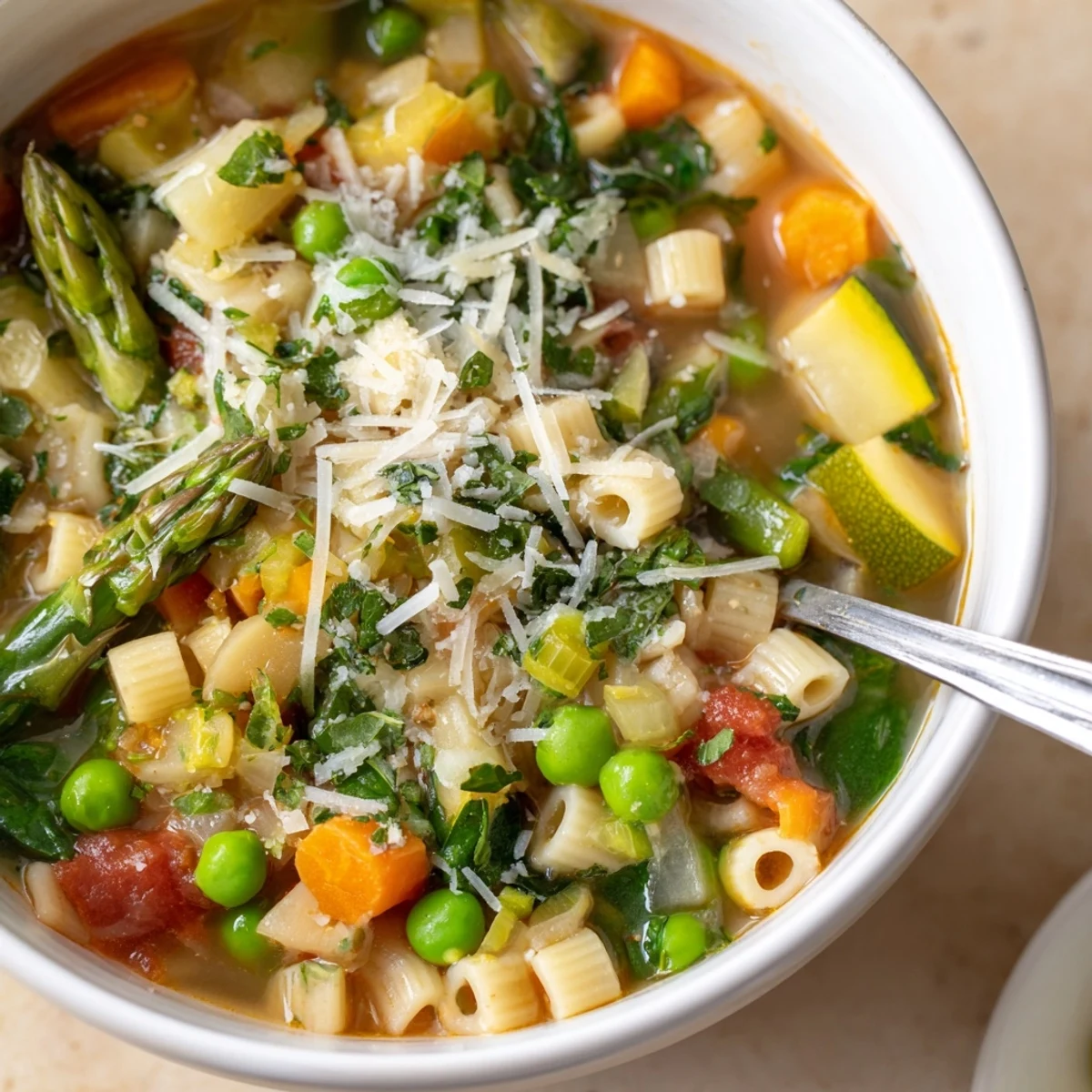
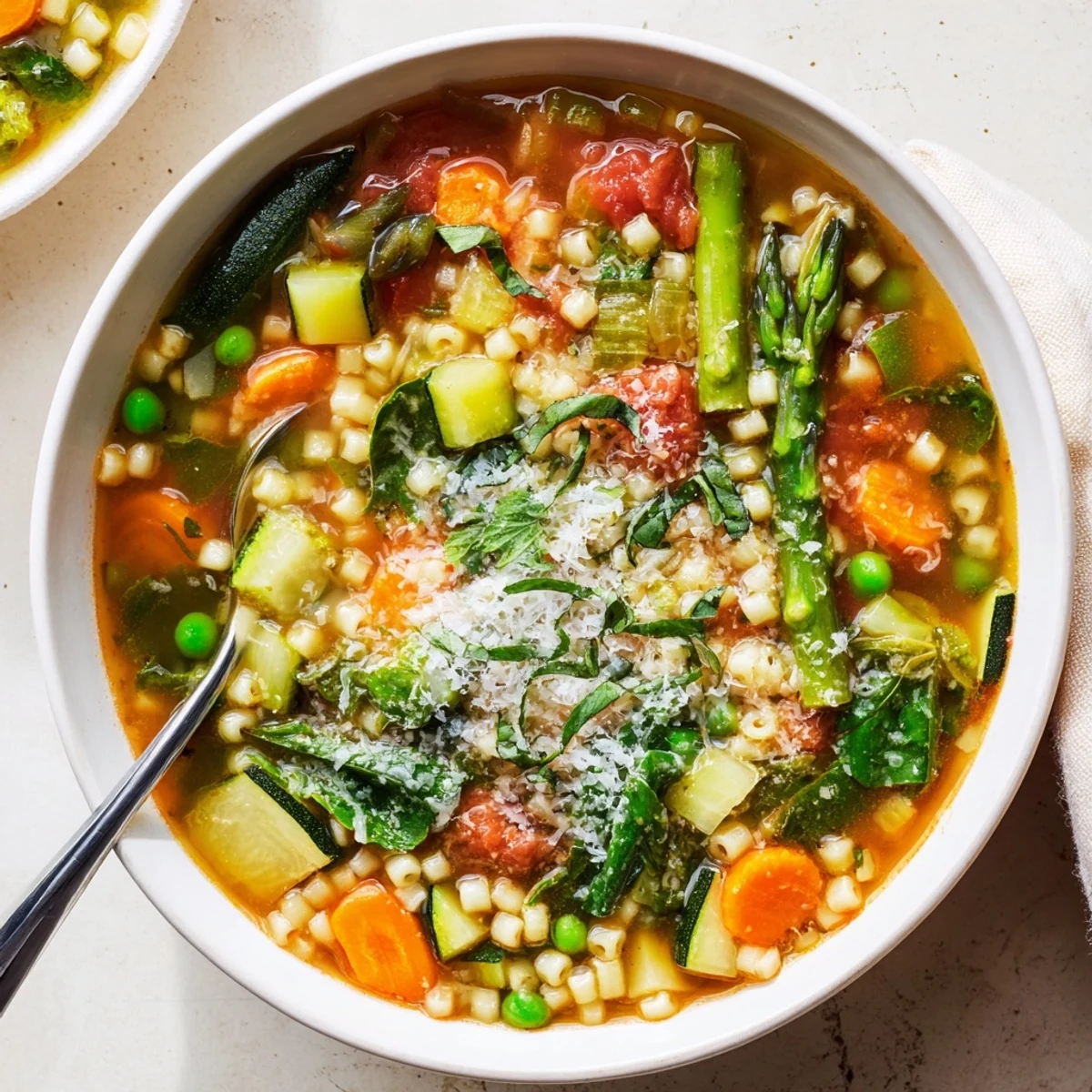
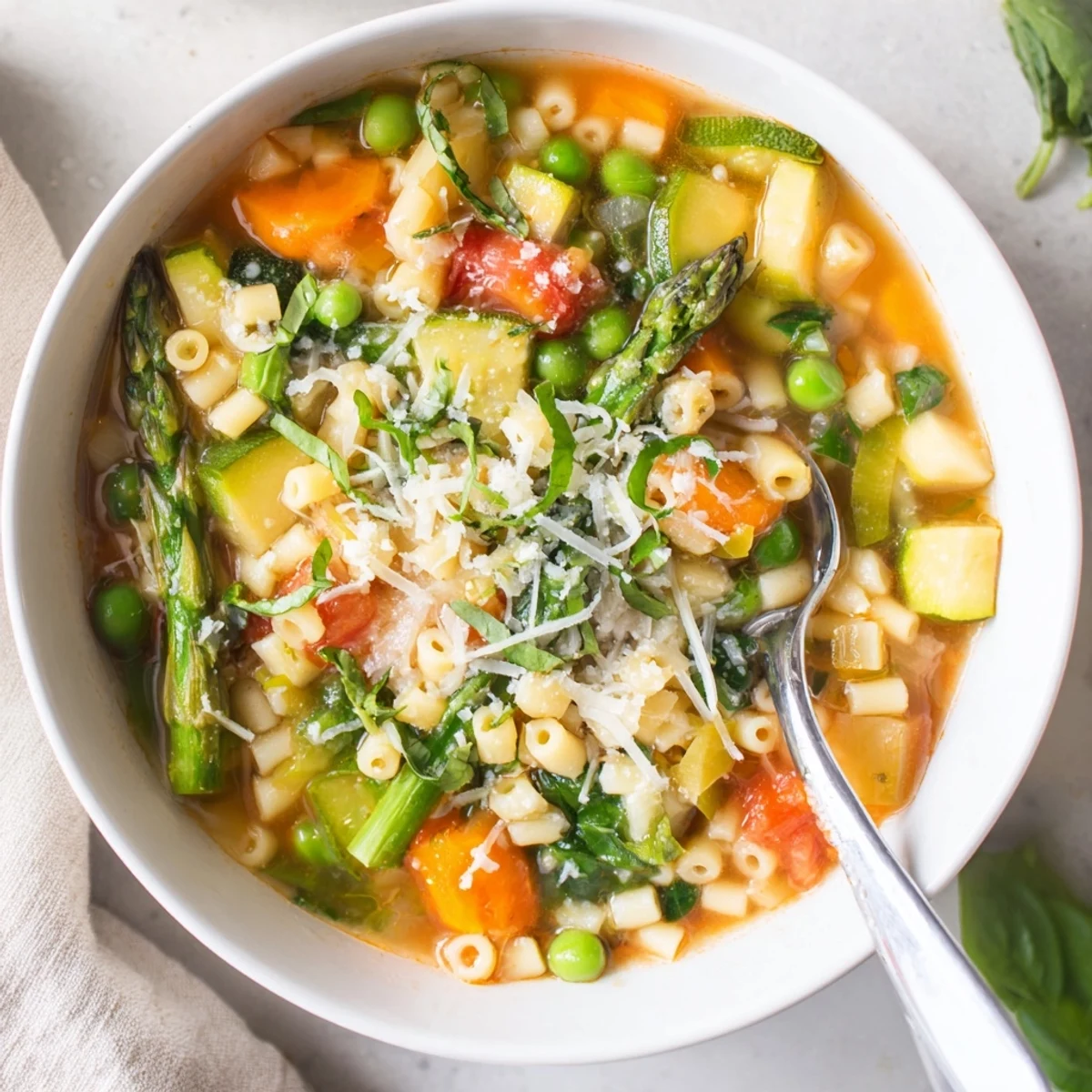
 This hearty Italian-style soup celebrates the best of spring produce with tender asparagus, sweet peas, and zucchini simmered in a flavorful vegetable broth. Small pasta adds satisfying substance while fresh herbs and a squeeze of bright lemon juice bring everything together. The entire dish comes together in just 45 minutes, making it perfect for weeknight dinners or meal prep. Each bowl delivers a comforting yet light meal that works beautifully for lunch or dinner, especially when paired with crusty bread and a simple green salad.
The first time I made minestrone, it was a rainy Tuesday and I was craving something that felt like a hug in a bowl. I'd never thought about making a spring version until I found myself with too much asparagus and a longing for something lighter than the usual hearty winter stew. That afternoon changed everything I thought I knew about soup.
Last spring, my sister dropped by unexpectedly while this was simmering. She'd had a terrible day at work, and we ended up eating at the counter with spoons in hand, the steam fogging up my glasses while she told me about everything and nothing. Sometimes soup does that better than anything else.
Ingredients
- 1 tablespoon olive oil: Use a good one here since it forms the flavor base with the leek
- 1 medium leek: White and light green parts only, thinly sliced, they add sweetness without harsh onion flavor
- 2 garlic cloves: Minced fresh, they perfume the oil and build layers of aroma
- 2 medium carrots: Diced small, they provide sweetness and substance
- 1 medium zucchini: Diced into small cubes, it absorbs the broth beautifully
- 1 cup asparagus: Trimmed and cut into 1-inch pieces, use the tender parts
- 1 cup fresh or frozen peas: They pop with sweetness against the savory broth
- 1 cup baby spinach leaves: Added at the end for fresh color and nutrition
- 5 cups vegetable broth: Low-sodium lets you control the seasoning
- 1 can diced tomatoes: Drained, they provide depth without making it too acidic
- 2/3 cup small pasta: Ditalini or small shells hold the broth in every bite
- 1 teaspoon dried thyme: Earthy and aromatic, it bridges the vegetables
- 1 teaspoon dried basil: Sweet and slightly peppery, it complements the fresh basil
- Salt and pepper: To taste, add gradually as you season at the end
- 2 tablespoons fresh parsley: Chopped, it brightens the final soup
- 2 tablespoons fresh basil: Thinly sliced, it makes the soup sing
- Juice of 1/2 lemon: The secret that makes everything taste alive
- Grated Parmesan cheese: Optional, for serving, it adds savory richness
- Extra-virgin olive oil: For drizzling, it finishes each bowl beautifully
Instructions
- Build your flavor foundation:
- Heat olive oil in a large pot over medium heat, add sliced leek, and cook for 3 minutes until softened and fragrant, stirring occasionally so it doesnt brown.
- Wake up the garlic:
- Add minced garlic and stir for just 1 minute until you can smell it, being careful not to let it turn bitter or brown.
- Add the root vegetables:
- Stir in diced carrots and let them cook for 2 minutes, starting to soften and sweeten in the hot oil.
- Bring in the spring vegetables:
- Add zucchini, asparagus, and peas, cooking for another 2 minutes until everything is bright and beginning to soften.
- Create the soup base:
- Pour in vegetable broth and drained diced tomatoes, increase heat to bring everything to a gentle boil, letting the flavors start mingling.
- Cook the pasta:
- Add pasta, dried thyme, and dried basil, reduce heat to simmer uncovered for 8 to 10 minutes until pasta is al dente and vegetables are tender.
- Add the finishing touches:
- Stir in baby spinach, fresh parsley, fresh basil, and lemon juice, cooking for 1 to 2 minutes until spinach just wilts.
- Season and serve:
- Taste and season with salt and pepper, then ladle into bowls and top with grated Parmesan and a drizzle of olive oil.
 Save to Pinterest
 My neighbor smelled this cooking through our open windows and showed up with a loaf of crusty bread. We ate on my back porch while the weather turned unseasonably warm, talking about gardens we kept promising ourselves we'd plant. Some meals become moments that stick with you longer than the recipe itself.
Choosing the Right Pasta
Small pasta shapes work best here because they fit on your spoon with all the vegetables. I've found that ditalini, small shells, or even broken spaghetti pieces all do beautifully. The key is choosing something small enough that you get a little bit of everything in each spoonful.
Timing Your Vegetables
Not all vegetables cook at the same speed, which is why I add them in stages. The carrots need a head start, while delicate asparagus and peas only need a few minutes. This way, nothing turns to mush and everything retains its individual character in the finished bowl.
Making It Your Own
This recipe welcomes whatever looks beautiful at the market. Green beans, fava beans, or artichoke hearts all make wonderful additions. The key is keeping everything roughly the same size so it cooks evenly and looks appealing in the bowl.
- Cook vegetables until just tender to preserve their bright color
- Taste the broth before adding salt sinceParmesan adds its own saliness
- Let the soup rest for 5 minutes before serving to allow flavors to settle
 Save to Pinterest
 This soup has become my answer to almost everything: tired days, impromptu guests, or simply wanting something that tastes like the season itself. There's something profoundly comforting about a bowl that captures spring so completely.
Frequently asked questions about this recipe
- → Can I make this soup gluten-free?
-
Yes, simply substitute the regular pasta with your favorite gluten-free pasta variety. The cooking time may vary slightly depending on the pasta brand, so test for doneness after 8 minutes of simmering.
- → How should I store leftovers?
-
Store cooled soup in an airtight container in the refrigerator for up to 3 days. The pasta will absorb some liquid during storage, so add extra vegetable broth when reheating to reach your desired consistency.
- → Can I freeze spring minestrone?
-
Freezing works best if you slightly undercook the pasta, as it will continue softening during reheating. Leave out the fresh spinach and garnishes, adding them fresh when you reheat the thawed soup.
- → What vegetables can I substitute?
-
Green beans, fava beans, artichoke hearts, or fresh peas work beautifully as seasonal swaps. The recipe is flexible, so use whatever fresh spring vegetables you have available from the market or garden.
- → Is this suitable for meal prep?
-
Absolutely! This soup reheats wonderfully and actually tastes better the next day as flavors meld. Prepare a batch on Sunday and portion into containers for easy lunches throughout the week.