
 Save to Pinterest
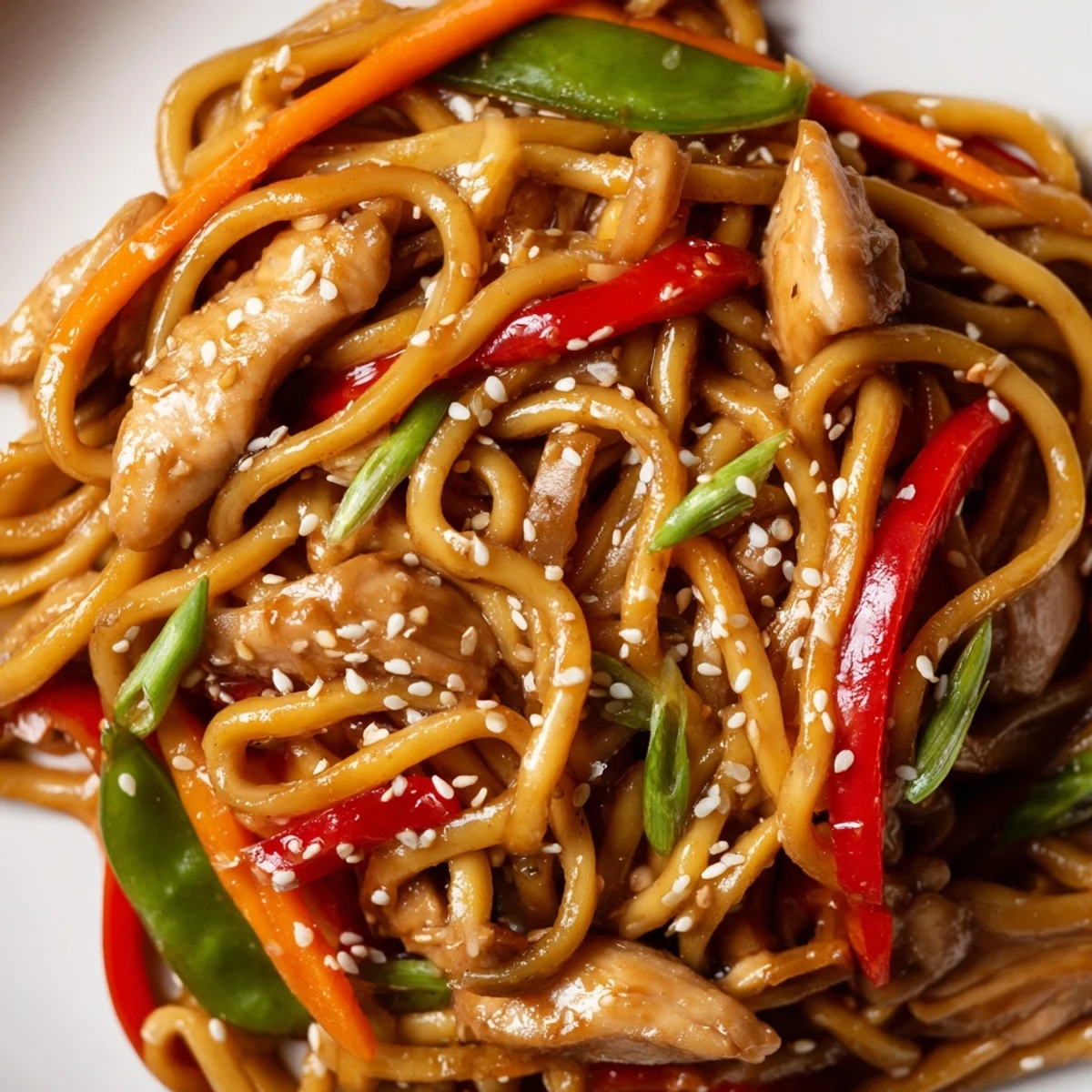
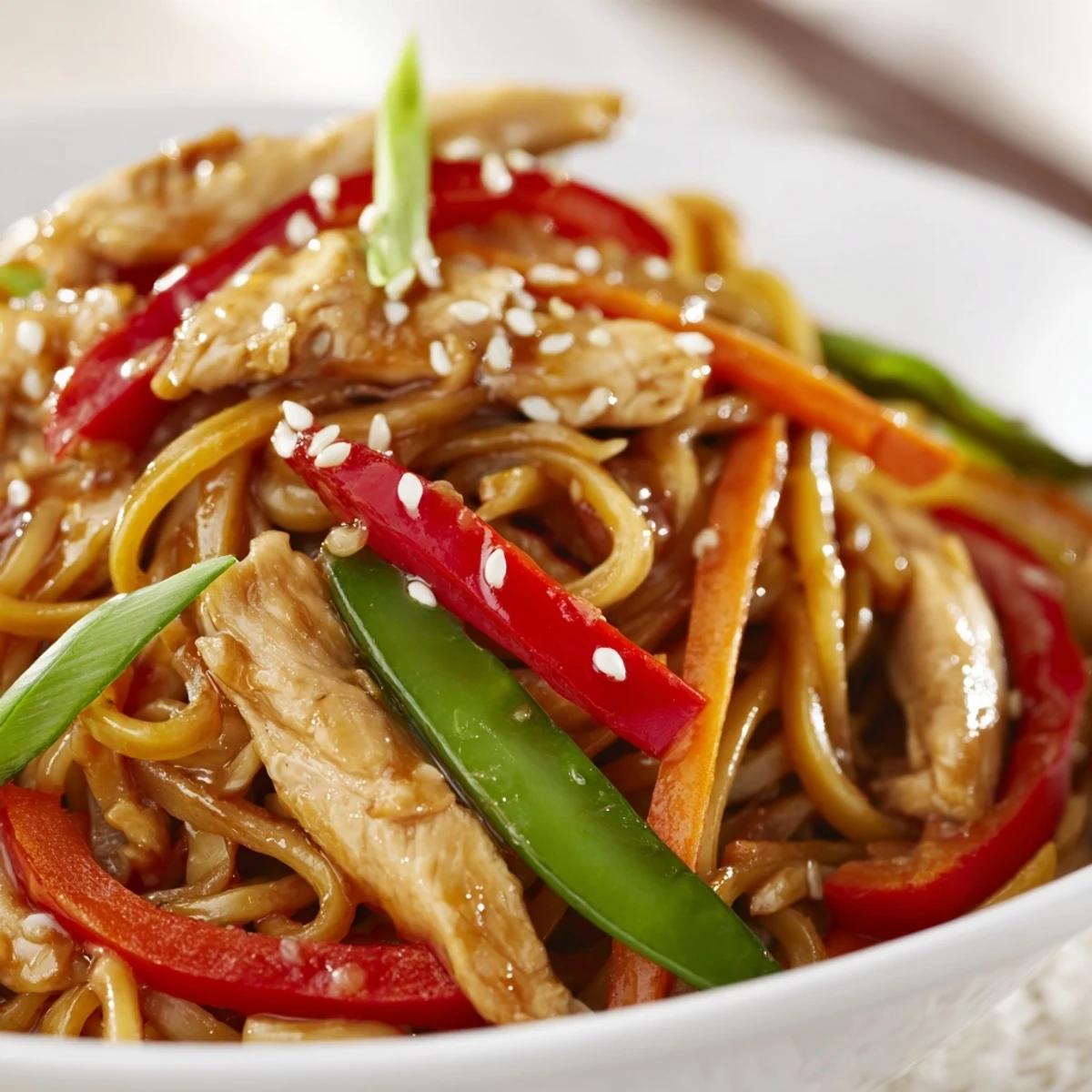
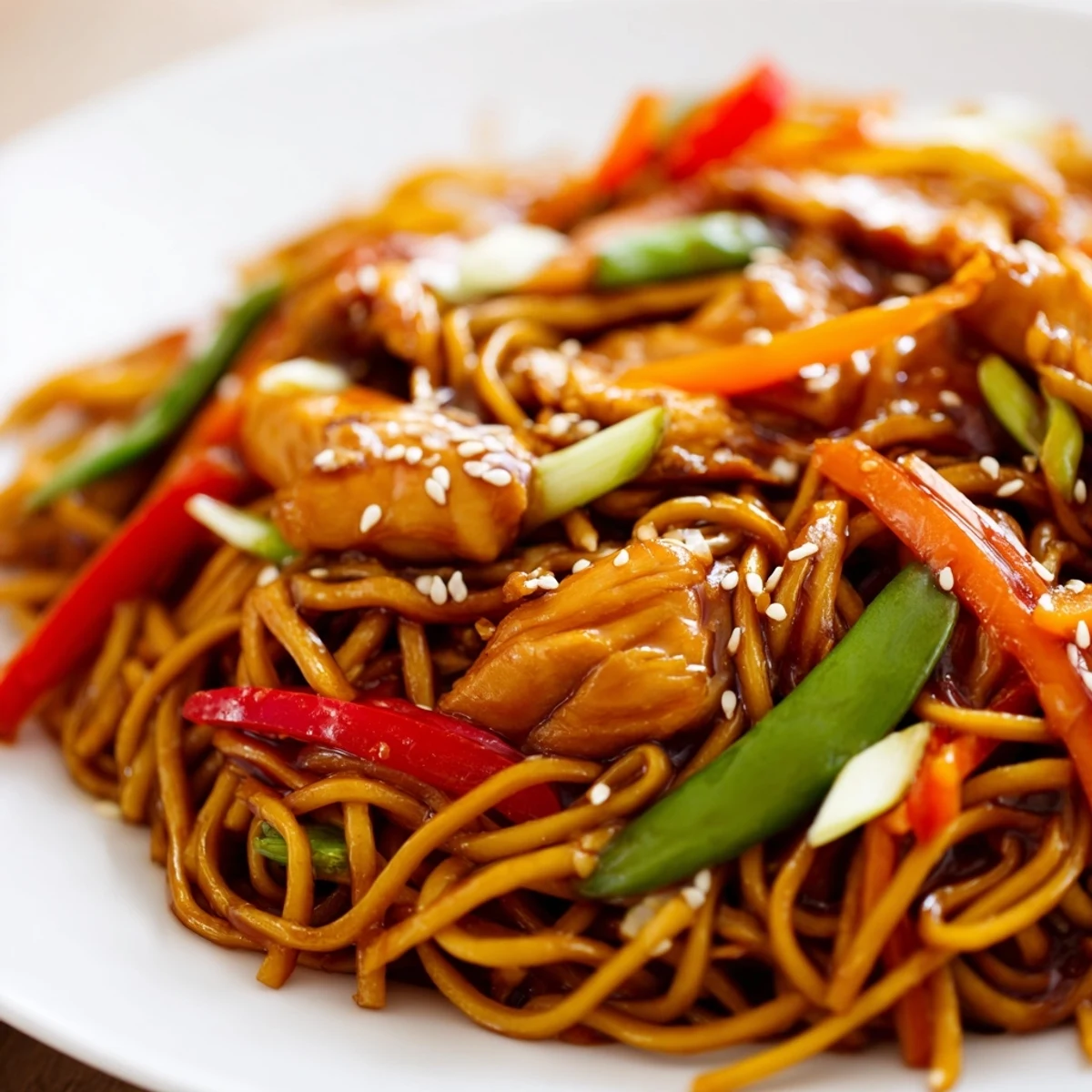
 This Asian-inspired dish combines tender sliced chicken with chewy egg noodles and fresh vegetables, all coated in a rich, sticky garlic sauce. The sweet-salty glaze gets its depth from honey, brown sugar, and oyster sauce, while fresh garlic and ginger provide aromatic warmth.
Ready in just 35 minutes, this customizable meal works perfectly for busy weeknights. The cornstarch-coated chicken stays juicy during stir-frying, while quick-cooking vegetables like bell peppers, carrots, and snap peas maintain their satisfying crunch.
Adjust the heat with chili flakes, swap in tofu or shrimp for protein variations, or make it gluten-free with tamari and alternative noodles. Leftovers reheat beautifully with just a splash of water to restore the glossy coating.
The way honey and soy sauce bubble together in a hot pan has this way of making everyone pause what they're doing and wander into the kitchen. I started making these noodles on frantic Tuesday nights when I needed something faster than takeout but more comforting than a basic stir-fry. Now they're the dish my friends specifically request when they come over, and I've learned to always make extra.
Last winter, my roommate came home from a terrible day at work to find a batch of these simmering on the stove. She took one bite of those sticky, caramelized noodles and actually teared up, saying it tasted like something her grandmother used to make. Sometimes food is just food, but sometimes it's exactly what someone needs to hear without words.
Ingredients
- 500 g boneless chicken thighs or breasts: Thighs stay juicier in the high heat of a stir-fry, but breast works if that's what you have on hand, just don't overcook it
- 1 tbsp cornstarch: This tiny coating is what gives the chicken that velvety texture you get at restaurants, creating a protective seal that locks in moisture
- 300 g dried egg or rice noodles: Egg noodles have a satisfying chew that stands up beautifully to the heavy sauce, but rice noodles make it gluten-free if you choose tamari instead of soy
- 4 tbsp low-sodium soy sauce: Regular soy sauce can make the final dish overwhelmingly salty, so starting with low-sodium gives you more control over the seasoning balance
- 2 tbsp dark soy sauce: Not essential, but this ingredient is the secret to that gorgeous deep mahogany color that makes restaurant dishes look so appealing
- 2 tbsp honey: Creates a sticky glaze that clings to noodles and vegetables better than plain sugar ever could, plus adds a subtle floral sweetness
- 2 tbsp brown sugar: Caramelizes differently than honey and adds a molasses depth that balances the sharpness of the vinegars
- 3 tbsp rice vinegar: Cuts through all that sweetness with brightness, preventing the sauce from becoming cloying
- 2 tbsp oyster sauce: Brings an incredible umami richness, though you can use mushroom stir-fry sauce to keep it vegetarian
- 5 garlic cloves: Don't be shy with the garlic, it's the backbone of the whole flavor profile and mellows beautifully as it cooks
- 1 tbsp fresh ginger: Fresh makes a noticeable difference here, adding a warm zing that powdered ginger just can't replicate
Instructions
- Get your noodles ready first:
- Cook them according to the package directions, then rinse immediately with cold water to stop the cooking and keep them from turning into a gummy mess
- Coat the chicken:
- Toss your sliced chicken with cornstarch and that tablespoon of soy sauce, letting it sit while you prep everything else so the coating really adheres
- Sear the chicken until golden:
- Heat oil in a large skillet or wok over medium-high heat and add the chicken, spreading it out so each piece makes contact with the pan and develops that gorgeous brown crust
- Crisp your vegetables:
- Remove the chicken and toss in bell pepper, carrot, and snap peas, stir-frying just until they're bright and still have some crunch, about 2 to 3 minutes
- Build the aromatic base:
- Lower the heat slightly and add your garlic, ginger, and chili flakes, stirring constantly for just 30 seconds so they release their fragrance without burning
- Bring the sauce together:
- Pour in all your sauce ingredients and let everything bubble for a moment, stirring as the honey melts and the mixture starts to thicken slightly
- Combine and coat everything:
- Add back your chicken and those cooled noodles, tossing with tongs for 2 to 3 minutes until every strand is glossy and nothing is sitting in a pool of sauce
- Finish with texture:
- Scatter scallions and sesame seeds over the top right before serving, adding that fresh bite and nutty crunch that makes each bite more interesting than the last
 Save to Pinterest
 These noodles have become my go-to when someone needs cheering up, or when I'm hosting people and want something that feels impressive but doesn't chain me to the stove. There's something about digging into a bowl of glossy, sticky noodles that just makes people feel taken care of.
Making It Your Own
I've swapped the chicken for thinly sliced pork tenderloin, shrimp, and even crispy tofu cubes depending on what I have in the fridge. Shrimp cooks incredibly fast, so add it after the vegetables and let it curl into pink crescents just a minute or two before tossing with the noodles.
Noodle Choices
While egg noodles are traditional, udon works beautifully if you want something thicker and more substantial. Rice noodles turn this into a gluten-free option, but they absorb sauce more aggressively, so you might want to increase the sauce ingredients by about a quarter.
Perfecting That Glossy Finish
The key to that restaurant-quality sheen is letting the sauce bubble and reduce slightly before adding the noodles back in. If it's too thick, a splash of pasta water or plain water loosens it up without diluting the flavor.
- Cold water rinsing stops noodles from overcooking and washes away excess starch that makes them clump
- Cut all your vegetables into similar sizes so they cook evenly and no one gets a raw carrot slice
- The sauce thickens as it cools, so it should look slightly more liquid in the pan than you want on the plate
 Save to Pinterest
 I hope these noodles find their way into your regular rotation, becoming the dish you turn to when you need something fast but special. There's real joy in a recipe that brings people to the table and keeps them coming back for seconds.
Frequently asked questions about this recipe
- → What type of noodles work best?
-
Dried egg noodles or rice noodles both work beautifully. Egg noodles provide a chewier texture that holds up well to the sticky sauce, while rice noodles offer a lighter alternative. Cook according to package directions and rinse with cold water to prevent sticking.
- → Can I make this dish ahead of time?
-
Yes, this dish reheats exceptionally well. Store leftovers in an airtight container in the refrigerator for up to 3 days. Reheat in a skillet over medium heat, adding a small splash of water to loosen the sauce and restore the glossy coating.
- → How do I make the sauce more or less sticky?
-
The sauce's consistency comes from honey and brown sugar. For a thicker, stickier glaze, simmer the sauce an extra minute or two before adding the noodles. For a lighter coating, reduce the honey by one tablespoon.
- → What vegetables can I substitute?
-
Baby corn, bok choy, broccoli florets, sliced mushrooms, or zucchini all work well. Use any quick-cooking vegetables that maintain some crunch when stir-fried. Adjust quantities to keep the protein-to-vegetable ratio balanced.
- → How can I make this gluten-free?
-
Replace regular soy sauce with tamari, use gluten-free noodles (rice noodles or certified gluten-free egg noodles), and substitute oyster sauce with a gluten-free mushroom-based stir-fry sauce. Always verify all ingredients are certified gluten-free.
- → What's the purpose of coating the chicken in cornstarch?
-
Cornstarch creates a protective layer that keeps the chicken moist during high-heat stir-frying. It also helps the sauce cling to the meat, ensuring every bite is evenly coated with the flavorful glaze.