
 Save to Pinterest
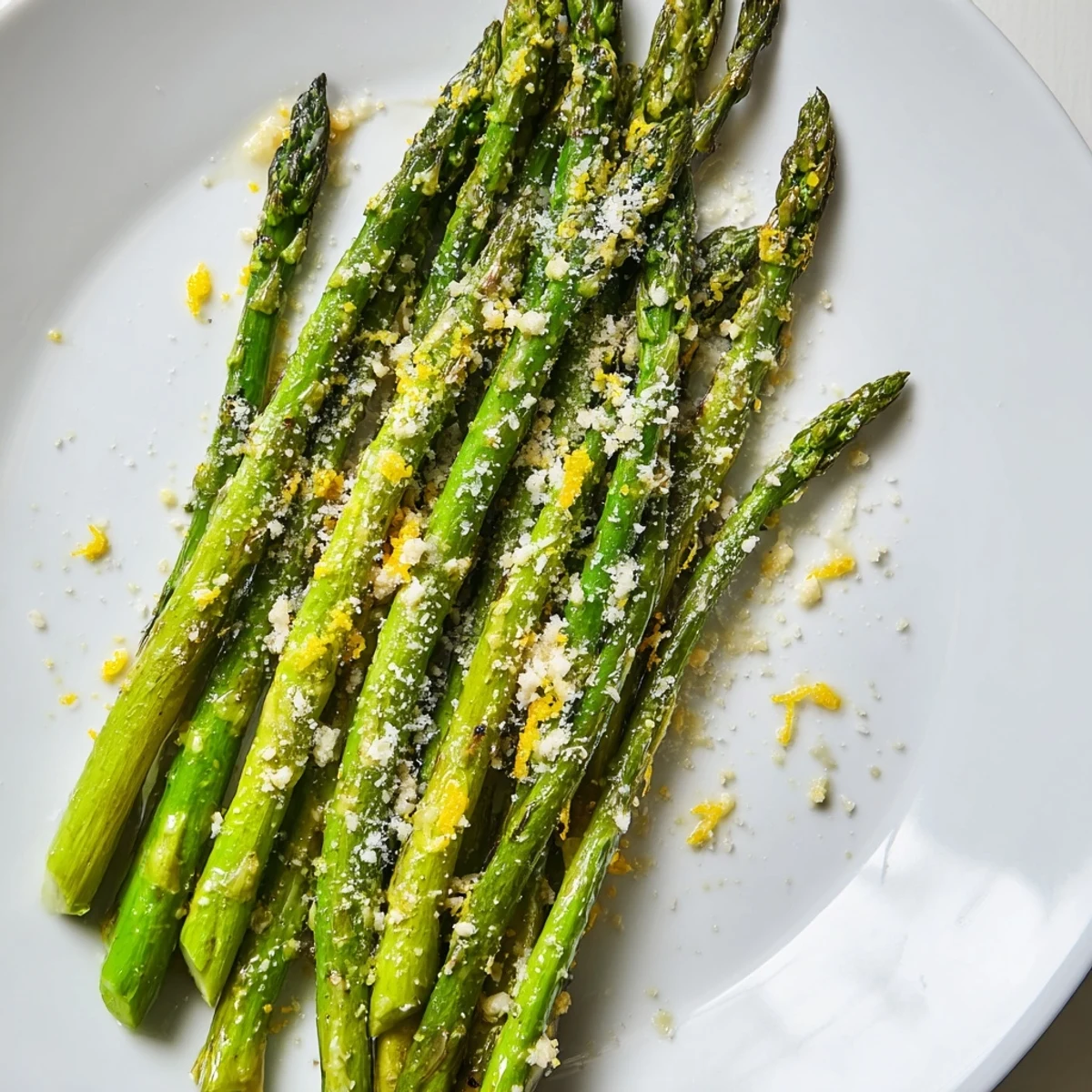
 Fresh asparagus is sautéed until tender and bright green, enhanced by fragrant minced garlic. A zesty blend of lemon juice and zest adds brightness, while kosher salt and black pepper season it perfectly. The dish is finished with a generous shower of freshly grated Parmesan cheese, lending a nutty richness. This simple side brings elegance and vibrant flavor, perfect for spring or any occasion seeking fresh, quick cooking with Mediterranean flair.
There's something about asparagus season that makes me want to cook the simplest possible version—no fussy sauces, no elaborate techniques, just the vegetable itself at its peak. Years ago, I grabbed a bunch at the farmers market on a whim, and a friend suggested the most straightforward combination: garlic, lemon, Parmesan. What seemed too bare-bones turned into one of my most-requested sides, the kind people ask for again before the meal's even finished.
I made this for a dinner party once when a guest mentioned she'd never had asparagus she actually enjoyed. Watching her face light up when the lemon hit the hot pan was worth more than any complicated dish I'd spent hours perfecting. The smell that fills the kitchen—garlic mellowing in olive oil, lemon zest releasing its oils—that's when I knew I'd won her over.
Ingredients
- Fresh asparagus: Look for firm, bright green spears with tightly closed tips; trim away the woody ends by snapping where they naturally break, and don't waste time peeling—fresh asparagus is tender enough.
- Garlic: Mince it fine so it distributes evenly and won't overpower; add it late in cooking to keep it fragrant rather than bitter.
- Olive oil: Use a good one you'd actually taste on its own, since it's one of only a few ingredients.
- Lemon: Fresh is non-negotiable; the juice brings brightness, and the zest adds subtle texture and complexity.
- Kosher salt and black pepper: Season generously at the end so flavors stay distinct.
- Parmesan cheese: Grate it yourself from a block just before serving; pre-grated versions lack the same richness and texture.
Instructions
- Prep and heat:
- Rinse your asparagus and snap off those woody ends by holding a spear mid-length and bending until it breaks naturally—you'll find the exact point where tender begins. Get your skillet hot with olive oil over medium heat; it should shimmer and smell toasty.
- Sauté the asparagus:
- Lay the spears in the hot oil and let them sit for a minute before stirring, so they pick up a light golden tint. Toss occasionally for 4 to 5 minutes until they're bright green and just tender when you poke one with a fork.
- Add the garlic:
- Stir in your minced garlic and keep moving it around the pan constantly for about a minute. You're listening for it to smell fragrant, not burned—there's maybe 10 seconds between perfect and ruined.
- Season and finish:
- Sprinkle on salt, pepper, and lemon zest while the pan's still hot. Remove from heat immediately and squeeze the lemon juice over everything, tossing gently so the acid doesn't cook the asparagus further.
- Plate and top:
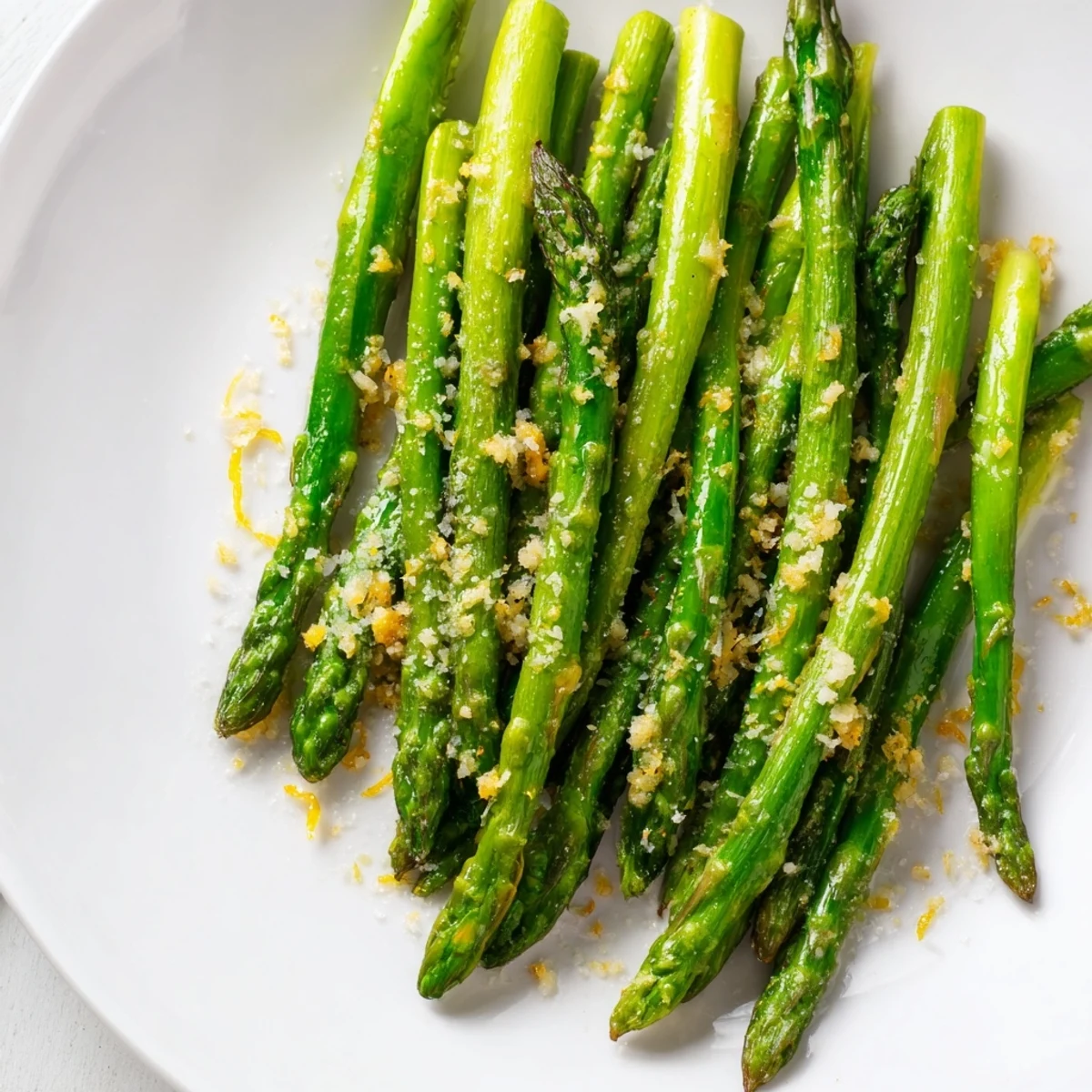
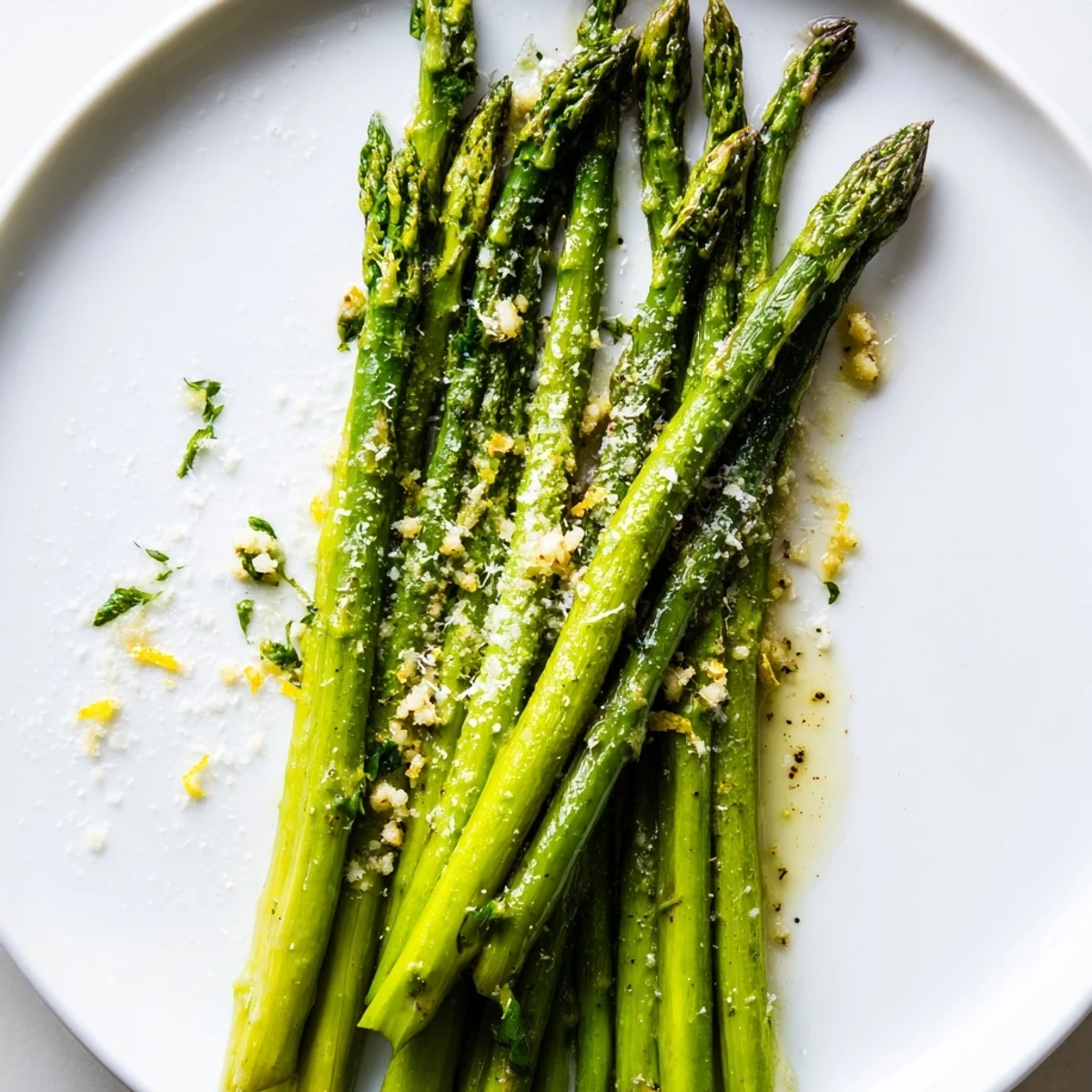
- Transfer to your serving platter and rain Parmesan over the top while everything's still warm enough that the cheese softens slightly. Serve right away.
 Save to Pinterest
 The first time someone told me they'd made this for their kids and gotten them to actually eat vegetables without negotiation, I felt oddly proud. There's real power in cooking something this straightforward with real ingredients, no hidden complexity to hide behind.
Choosing Your Asparagus Wisely
Spring asparagus tends to be thinner and sweeter than the thick stalks that show up later, but honestly, I've had success with both. The key is buying from somewhere that's turned over inventory recently; asparagus sitting around gets woody and loses that snap. If you're at a farmers market, ask when it was picked—recent is always better than pretty.
Making It Your Own
This dish is a great canvas for small additions without losing its elegance. A handful of toasted pine nuts adds a subtle crunch, or fresh parsley scattered at the end brings an herbaceous note. I've even tried crispy anchovies on the side for guests who want umami, and that combination is something special. The beauty is that the base is so clean, you can taste anything you add to it.
Serving and Pairing Ideas
Serve this warm, room temperature, or even cold the next day for lunch. It pairs beautifully with grilled fish, roasted chicken, or a simple pasta dressed in oil and herbs. I've also set out a plate of this alongside crusty bread and good cheese for a casual meal that somehow feels fancy.
- Grilled salmon or halibut love this as their side dish.
- Toss cold leftovers into a grain bowl with feta and za'atar for lunch the next day.
- Pair it with a crisp white wine like Sauvignon Blanc or a light rosé.
 Save to Pinterest
 This recipe reminds me that cooking doesn't have to be complicated to be memorable. Sometimes the best meals are the ones where every ingredient shines on its own.
Frequently asked questions about this recipe
- → How do I keep asparagus tender but crisp?
-
Sauté the asparagus for 4–5 minutes, stirring occasionally, until it turns bright green and is just tender to maintain a crisp texture.
- → Can I use lemon zest from bottled lemon for this dish?
-
Fresh lemon zest is recommended for its bright flavor, but bottled zest can be used sparingly if fresh lemon is unavailable.
- → What is the best way to grate Parmesan cheese for this dish?
-
Use a fine grater or microplane to achieve fluffy, evenly distributed Parmesan that melts lightly on the warm asparagus.
- → Is olive oil the best fat to sauté asparagus in?
-
Olive oil imparts a mild, fruity flavor ideal for Mediterranean dishes and complements the garlic and lemon well.
- → How can I make this suitable for vegan diets?
-
Replace Parmesan with a plant-based cheese alternative or nutritional yeast to maintain a similar savory note.