
 Save to Pinterest
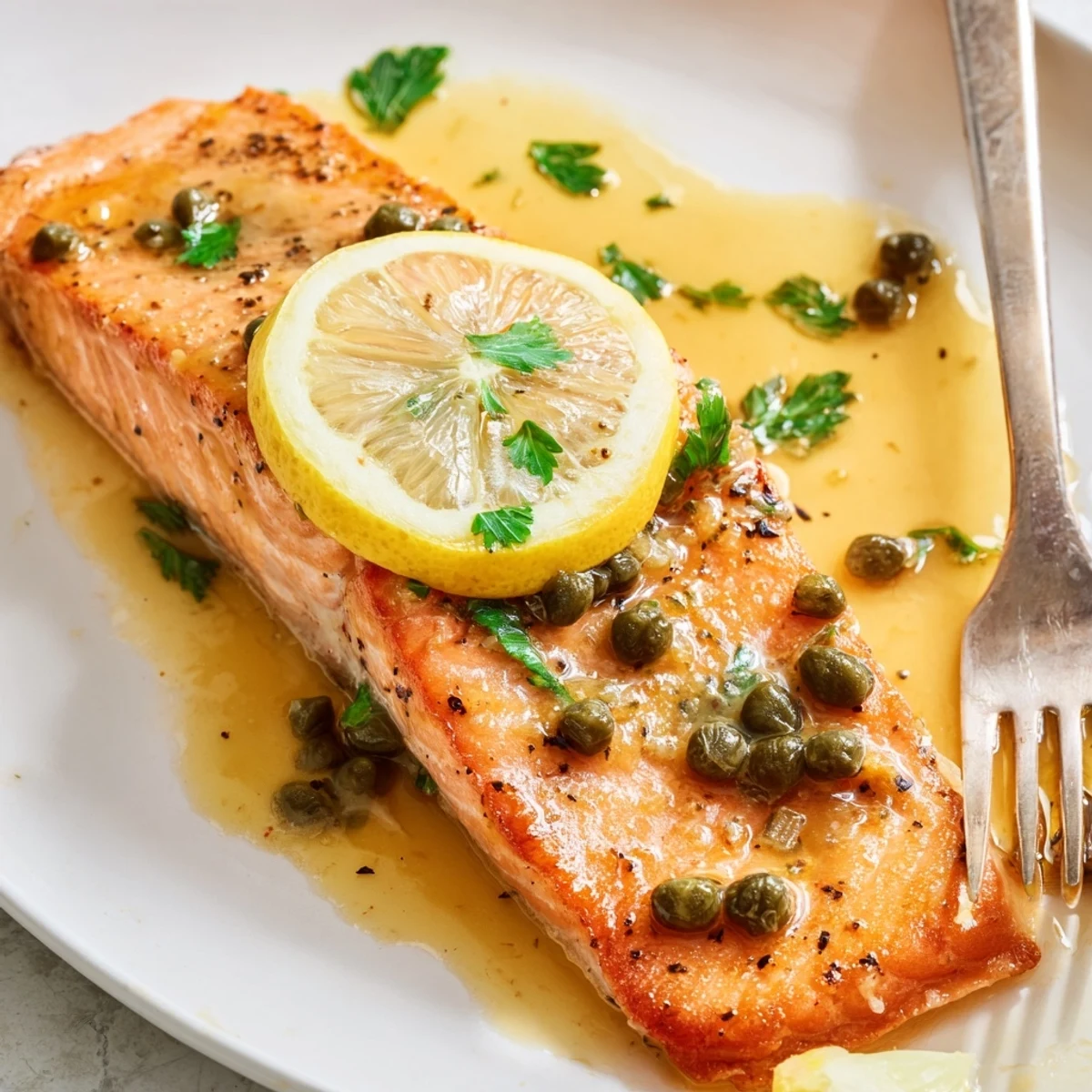
 Pan-sear seasoned salmon fillets until golden and just cooked through, then make a bright pan sauce by sautéing garlic, deglazing with white wine, and adding lemon juice, capers and broth. Reduce briefly, finish with butter and parsley, and spoon over the fish. Total time is about 30 minutes. Lightly dredge in flour for extra crispness or skip it for a gluten-free finish. Serve with sautéed greens or pasta and a crisp white wine.
The sizzle of salmon hitting a hot pan is one of those sounds that makes everyone in the house wander into the kitchen asking when dinner will be ready. My neighbor Carla brought over a bag of lemons from her tree last spring, and rather than let them go to waste, I threw together this piccata on a whim. The tangy, buttery sauce pooled around the golden fillets, and we stood around the island eating straight from the skillet with forks. It has been on constant rotation ever since.
I once made this for my brother who claims he does not like fish, and he went back for a second fillet before I even sat down to eat. That meal turned into a long evening of stories and laughter, with the empty skillet sitting between us as proof that good food needs no persuasion.
Ingredients
- Salmon fillets: Four skinless fillets around 150 to 180 grams each give you generous portions that cook evenly and stay juicy inside.
- Salt and black pepper: Season generously on both sides because the sauce will balance everything out beautifully.
- All purpose flour: A light dredge creates a delicate crust, but you can skip it entirely if you prefer.
- Olive oil and butter: The oil handles the high heat while butter adds richness, so using both gives you the best of each.
- Garlic: Two cloves minced fine melt into the sauce and give it a savory backbone without overpowering the lemon.
- Dry white wine: A splash deglazes the pan and adds complexity, though you can substitute extra broth if you prefer to skip alcohol.
- Fresh lemon juice: About a quarter cup from roughly two lemons delivers that signature piccata brightness.
- Capers: These briny little buds are the soul of piccata, so drain them well but never rinse them.
- Low sodium broth: Chicken or fish broth rounds out the sauce and keeps it from becoming too sharp.
- Fresh parsley and lemon slices: A sprinkle of parsley at the end adds color and freshness, and lemon slices make it look as good as it tastes.
Instructions
- Prep the fish:
- Pat each salmon fillet completely dry with paper towels and season both sides well with salt and pepper. If you are using flour, give them a light, even coat and shake off every last bit of excess for the crispiest result.
- Sear the salmon:
- Heat the olive oil and one tablespoon of butter in a large skillet over medium high heat until the butter just starts to foam. Lay the fillets in gently and let them cook undisturbed for three to four minutes per side until you see a gorgeous golden crust forming.
- Build the sauce:
- Transfer the salmon to a plate and cover it loosely with foil to keep warm. Add the remaining butter and garlic to the same skillet, stirring for about thirty seconds until your kitchen smells absolutely incredible.
- Reduce and combine:
- Pour in the white wine and scrape up every flavorful bit stuck to the bottom of the pan. Add the lemon juice, capers, and broth, then let everything simmer for two to three minutes until it reduces just enough to coat the back of a spoon.
- Bring it together:
- Nestle the salmon back into the skillet and spoon the bubbling sauce over each fillet. Let it simmer for one more minute so the fish soaks up all that tangy, buttery goodness.
- Finish and serve:
- Scatter fresh parsley over the top and tuck a few lemon slices around the pan for a beautiful presentation. Serve immediately while the sauce is still bubbling and the fish is perfectly tender.
 Save to Pinterest
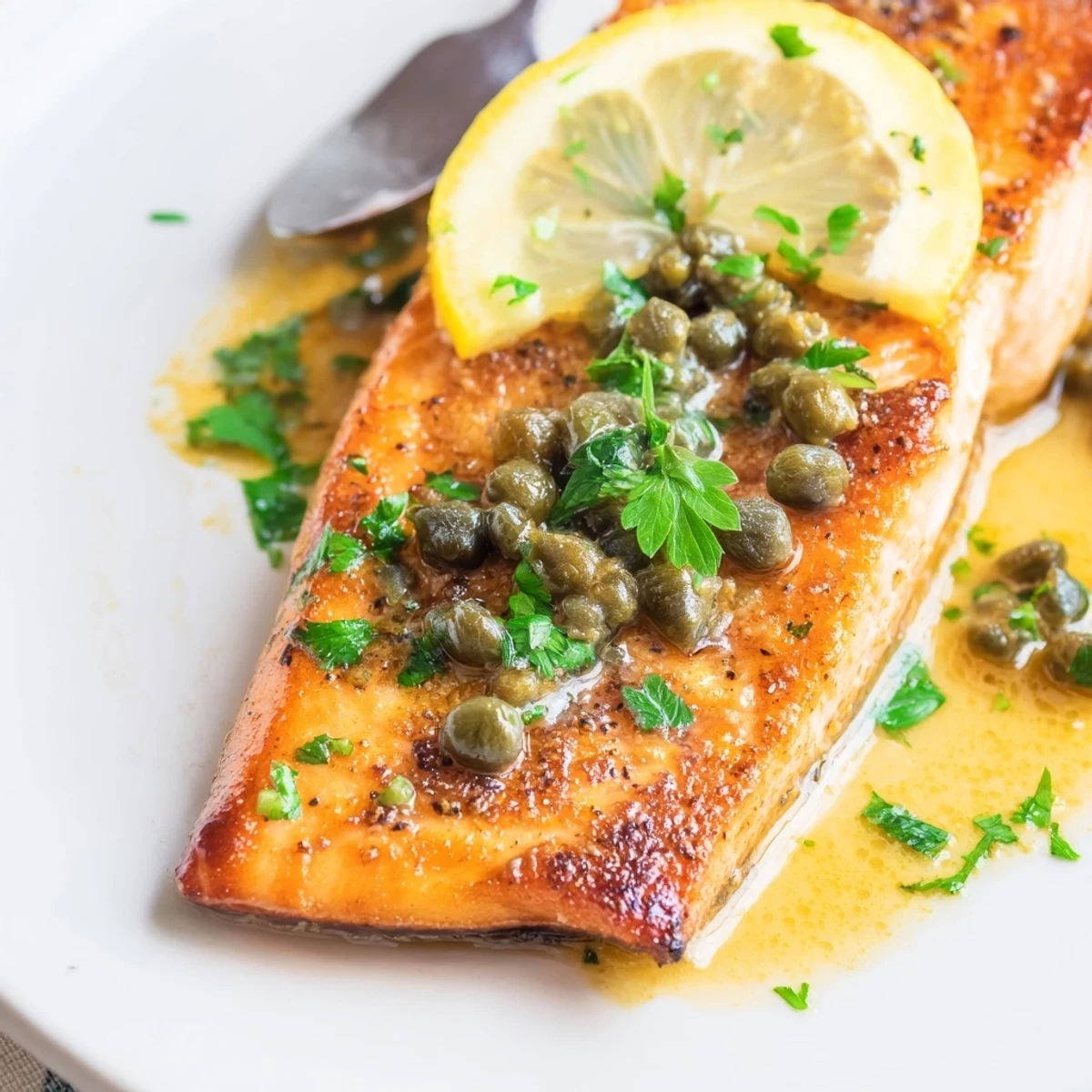
 There is something about the way capers and lemon transform a simple piece of fish into a meal that feels genuinely celebratory. I have served this on busy weeknights and at dinner parties, and it never fails to draw people into the kitchen asking for the recipe.
Choosing the Right Salmon
Wild caught salmon has a firmer texture and more pronounced flavor that holds up beautifully to the bold piccata sauce. Farm raised works well too and tends to be slightly fattier, which keeps it moist even if you accidentally cook it a minute too long. Look for fillets that are similar in thickness so they finish cooking at the same time.
What to Serve Alongside
Angel hair pasta tossed in a little of the extra sauce is probably the most indulgent pairing you can imagine. Sautéed spinach or steamed green beans keep things lighter while still soaking up every drop of that lemony butter. A crusty loaf of bread on the table ensures nothing goes to waste.
Wine Pairing and Leftovers
Whatever white wine you cook with makes a natural companion at the table, so pour yourself a glass of the same bottle. A chilled Pinot Grigio or lightly oaked Chardonnay complements the briny capers without competing for attention.
- Leftover salmon keeps well in the fridge for up to two days and makes an incredible cold salad flaked over greens.
- Reheat gently in a skillet with a splash of broth so the fish does not dry out.
- Always check that your capers and broth are labeled gluten free if cooking for someone with a sensitivity.
 Save to Pinterest
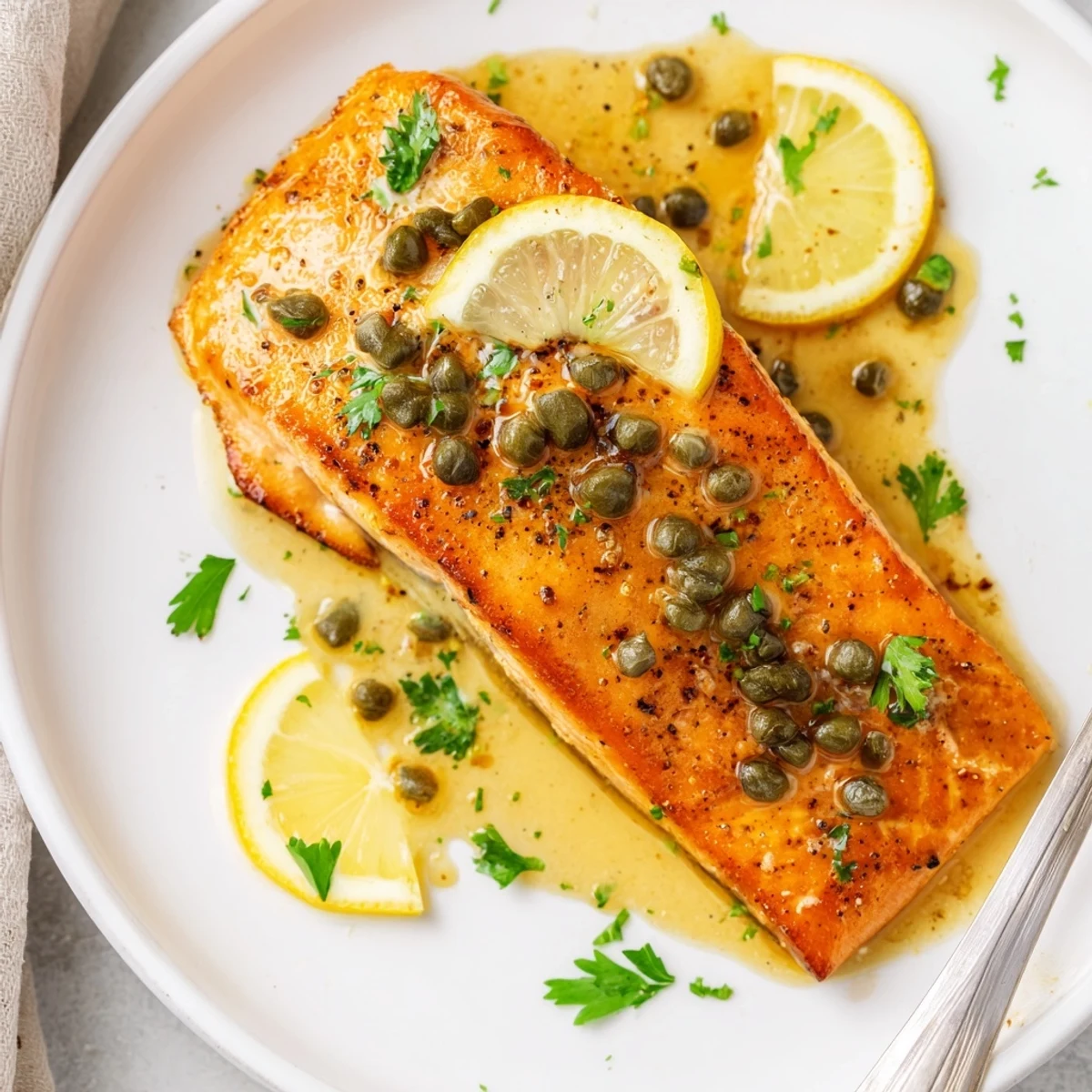
 This dish reminds me that the best meals are often the simplest ones, made with a handful of bright ingredients and a willingness to let them shine. Share it with someone you love and watch the pan disappear.
Frequently asked questions about this recipe
- → How can I tell when the salmon is done?
-
Cook until the flesh is opaque and flakes easily with a fork, about 3–4 minutes per side for 150–180 g fillets. Internal temperature should reach 60–63°C (140–145°F) for moist, flaky fish.
- → Is dredging in flour necessary?
-
Dredging gives a crisper exterior and helps sauce adhere, but it’s optional. Use all-purpose or a gluten-free flour alternative, or skip for a lighter, gluten-free finish.
- → What wine can I use if I prefer not to cook with alcohol?
-
Substitute the white wine with equal parts low-sodium chicken or fish broth plus a teaspoon of white wine vinegar or extra lemon juice to preserve acidity and depth.
- → How do I reheat leftovers without drying the salmon?
-
Gently reheat in a low oven (120–150°C / 250–300°F) for 10–12 minutes covered, or briefly warm in a skillet with a splash of broth, spooning sauce over the fillets to keep them moist.
- → What side dishes pair well with this preparation?
-
Try sautéed spinach, steamed green beans, roasted asparagus, or angel hair pasta tossed with olive oil and lemon to complement the lemon-caper flavors.
- → Can I use other fish for this approach?
-
Yes—firm, meaty fish like cod, halibut or sea bass work well with a lemon-caper pan sauce; adjust cooking time to the thickness of the fillet.